The 2026 FIFA World Cup, co-hosted by the United States, Canada, and Mexico, has delivered memorable moments both on and off the field. For the Egyptian national team, a historic first-ever World Cup victory on June 21, 2026, against New Zealand in Vancouver was quickly followed by an unexpected logistical setback imposed by U.S. security authorities. The team was denied permission to fly directly from Vancouver to Seattle for their crucial final Group G match against Iran, forcing them to return to their training base in Spokane, Washington.
This decision has added an extra layer of travel fatigue and preparation challenges for Egypt ahead of the high-stakes June 26 encounter at Lumen Field in Seattle. The incident underscores the complex security and logistical demands of a multi-nation tournament spanning 16 host cities across three countries.
Historic Victory Overshadowed by Travel Dispute
Egypt secured a dramatic 3-1 comeback win over New Zealand at BC Place in Vancouver. Trailing 1-0 at halftime, the Pharaohs rallied with goals from Mostafa Ziko, Mohamed Salah, and Trézéguet. Mohamed Salah, the Liverpool star, delivered the go-ahead goal and contributed significantly, marking a landmark moment for Egyptian football. It was Egypt’s first World Cup victory in their limited appearances, highlighting their resilience after earlier results in the group.
Following the win, which placed Egypt atop Group G with four points, the team sought to travel directly to Seattle. This would have allowed more recovery time and focused preparation for the decisive match against Iran. However, local security officials rejected the request to stay in Seattle, compelling the delegation to return to Spokane.
Egyptian manager Hossam Hassan addressed the situation in an official statement from the Egyptian Football Association: “The security authorities refused the team’s request to stay in the city of Seattle as planned after the New Zealand match in the World Cup, and therefore the team’s delegation will return to the city of Spokane. The team had wanted to travel directly to Seattle to preserve the players from travel fatigue due to the numerous trips in preparation for the Iran match on June 26.”
The timing is particularly inconvenient. The match against Iran is effectively a winner-takes-all scenario for advancing from the group, with significant implications for Egypt’s progression in only their fourth World Cup appearance overall.
Egypt’s World Cup Base and Travel Arrangements
Like other participating teams, Egypt established a central training base in Spokane, Washington, approximately 280 miles east of Seattle. This base serves as a hub for recovery and preparation between matches across different host cities.
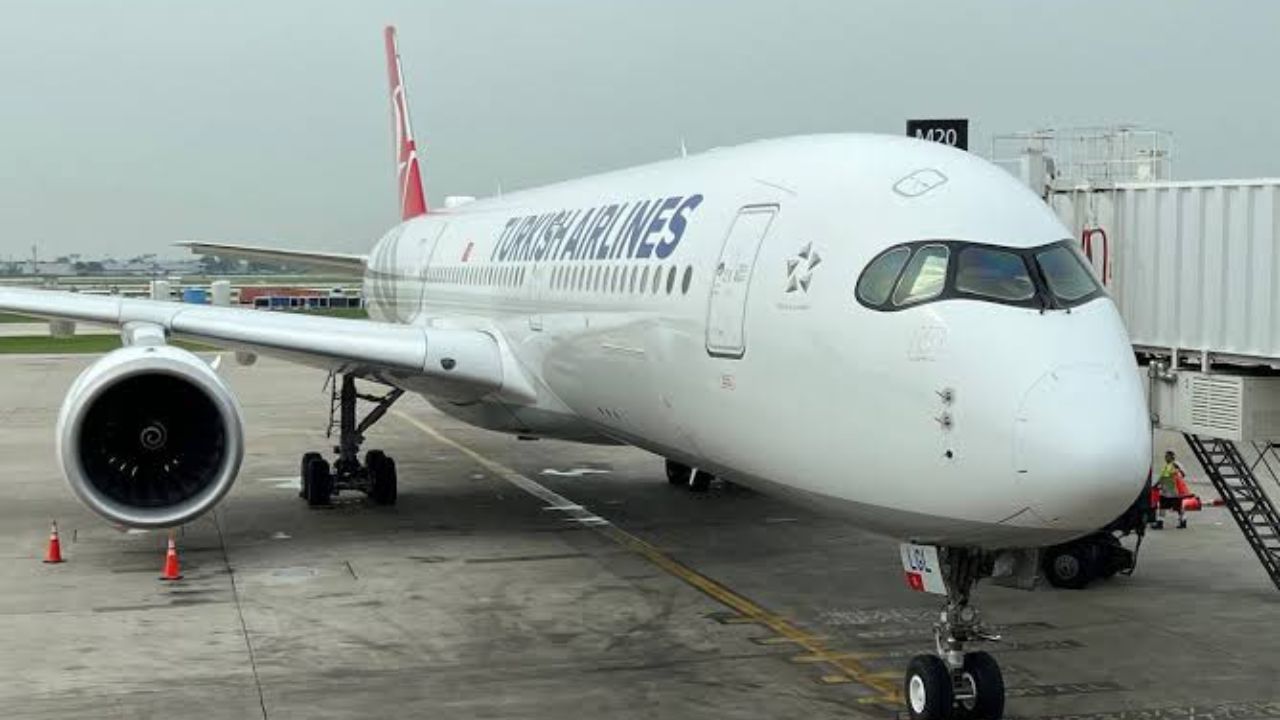
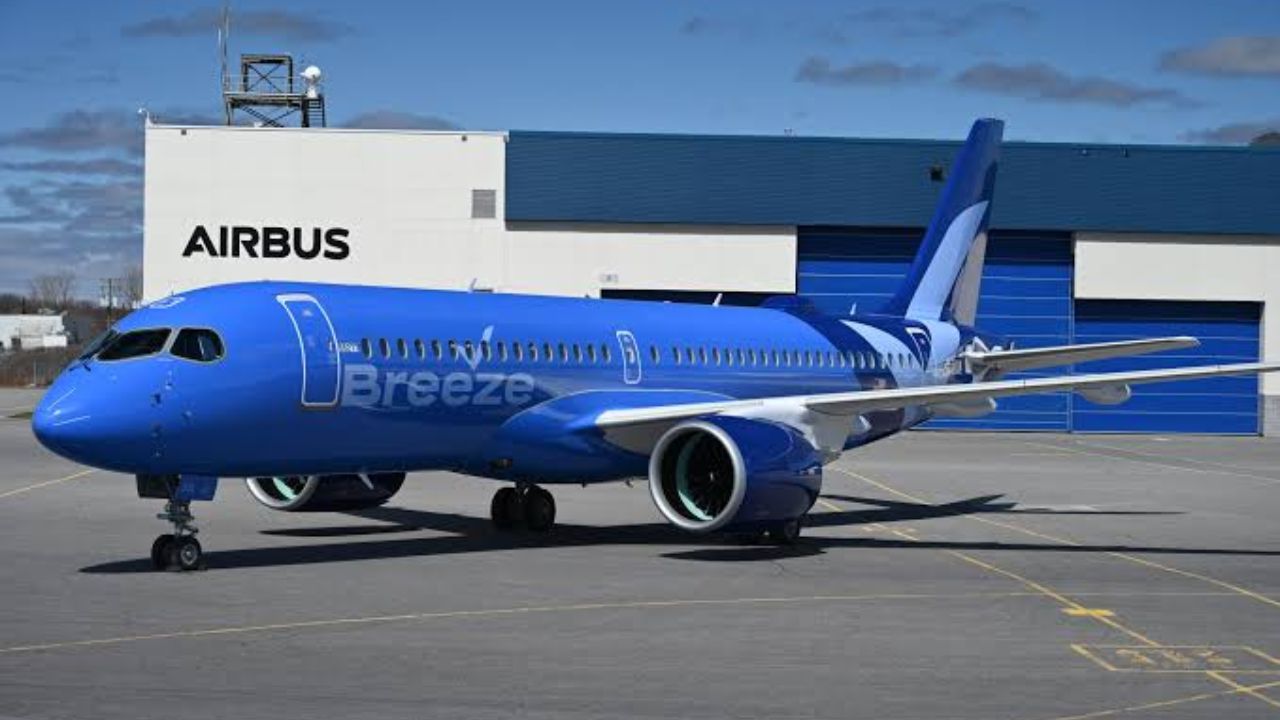
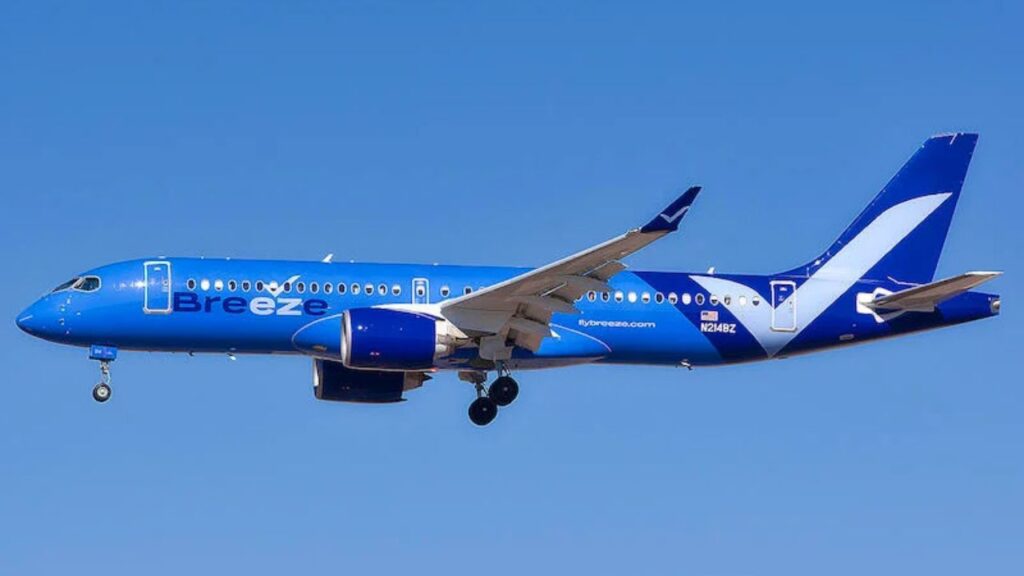
For the Vancouver fixture, the squad utilized chartered flights. They departed Spokane International Airport (GEG) on a Breeze Airways Airbus A220-300 charter (flight MX6840) on June 19, arriving at Vancouver International Airport (YVR). The A220-300 offers a comfortable configuration with 12 first-class recliners and 125 economy seats.
The return journey after the New Zealand match was originally hoped to route directly to Seattle but instead involved an Air Canada charter, operated as AC7005 on an Airbus A320. This aircraft featured 14 business-class seats and 132 economy seats. The short hop back to Spokane highlights the added burden of the denied request.
Options for reaching Seattle from Spokane include a roughly one-hour flight or a four-hour drive by team bus. The exact method for the upcoming trip had not been finalized publicly at the time of reporting, but the denial has already disrupted optimal scheduling.
Key Travel Details for Egypt’s Recent Movements
| Leg | Date/Route | Aircraft Type | Operator |
|---|---|---|---|
| Outbound to Vancouver | June 19, GEG to YVR | Airbus A220-300 | Breeze Airways (charter) |
| Return from Vancouver | Post-June 21 match | Airbus A320 | Air Canada (charter) |
| To Seattle (planned) | Ahead of June 26 match | TBD | TBD |
Broader Logistical Challenges in the 2026 World Cup
The multi-venue format of the 2026 tournament presents unique travel demands for all 48 teams. Egypt is not alone in facing constraints. Iran, Egypt’s upcoming opponent, has encountered even stricter limitations, training in Tijuana, Mexico, and required to commute for U.S.-based matches with tight timelines. Iran’s manager has publicly described the situation as highly challenging, and the federation has filed complaints.
Security considerations appear central to these decisions, particularly for certain teams amid geopolitical sensitivities. Host nation authorities, in coordination with FIFA and local organizers, prioritize safety across venues like Seattle-Tacoma International Airport (SEA), which has ramped up preparations for increased international traffic.
Seattle’s Lumen Field is set to host several high-profile matches, including this Group G clash. The city has seen significant infrastructure and security enhancements in anticipation of the tournament’s demands.
Implications for Egypt’s Campaign
Egypt enters the Iran match in a strong position but must now manage additional travel and recovery. A positive result would likely secure advancement, potentially setting up a knockout-stage clash in Seattle. The team’s performance against New Zealand demonstrated character and quality, led by stars like Salah, offering hope despite the logistical hurdles.
The denial has drawn attention to how off-field factors can influence on-field outcomes in a tournament of this scale. Players and staff will need to prioritize rest and focus amid the disruption. For fans, the situation adds to the narrative of resilience surrounding Egypt’s campaign.
Tournament-Wide Context and Security Realities
The 2026 World Cup’s distributed hosting model requires careful coordination of team movements, training bases, and security protocols. While most teams benefit from flexible arrangements, specific cases like Egypt’s and Iran’s illustrate the tensions between competitive fairness and stringent security requirements, especially in U.S. venues.
FIFA and local organizers continue to balance these priorities as the group stage progresses. Egypt’s case may prompt further discussions on travel protocols for remaining matches, though no immediate changes have been announced.
As Egypt prepares for the pivotal showdown against Iran, the focus remains on adapting quickly. The historic win in Vancouver provided momentum; now, the team must channel that energy despite the added travel demands. The outcome on June 26 could define Egypt’s tournament and further cement this World Cup as one remembered for both sporting drama and behind-the-scenes complexities.