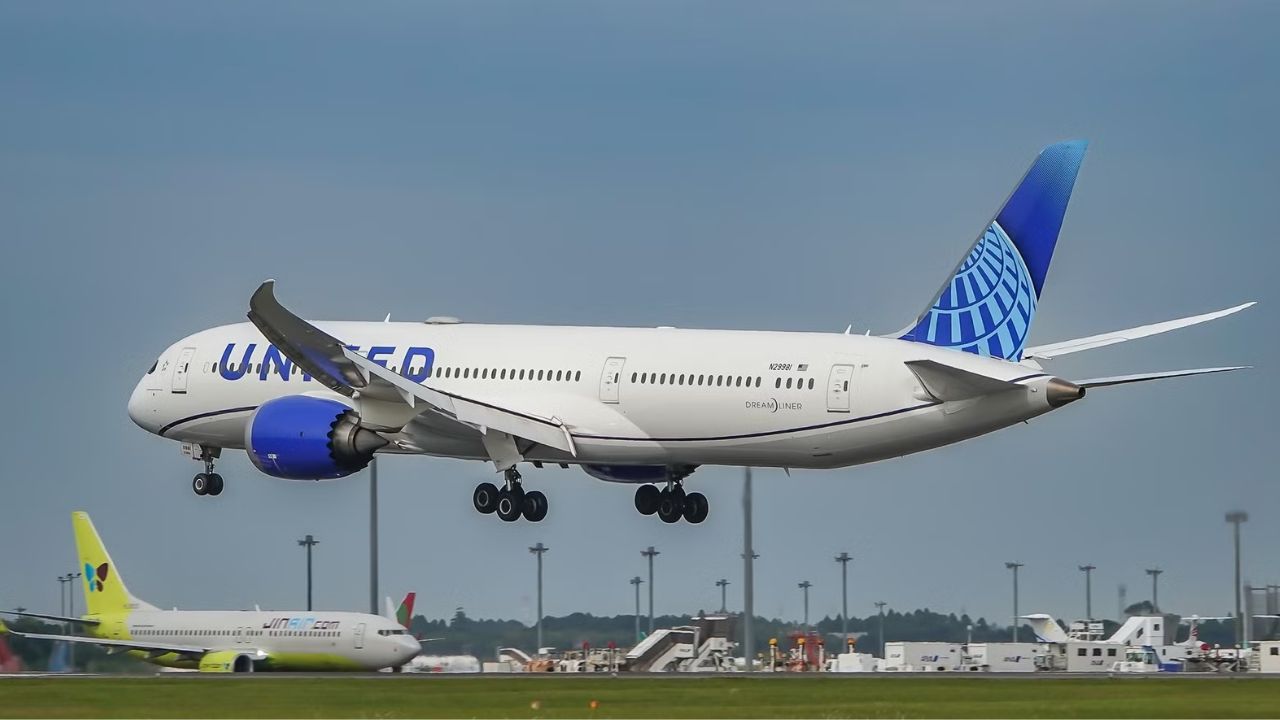
United Airlines’ first Boeing 787-9 equipped with the highly anticipated “United Elevated” interior has encountered persistent technical difficulties shortly after entering service, leading the carrier to return the aircraft to Boeing for specialized inspection and repairs. Registered N61101, the aircraft was delivered in late February 2026 and represents the debut of United’s next-generation premium long-haul product. Its troubles highlight the challenges of introducing new aircraft configurations, even as United pushes forward with a significant fleet modernization program.
The aircraft, which features a special livery celebrating United’s 100th anniversary in 2026, was ferried to Boeing’s maintenance facility in Moses Lake, Washington, in mid-June 2026. Aviation insiders, including JonNYC, noted that the issues were “not minor,” prompting Boeing technicians to take a closer look. United confirmed the aircraft was with the manufacturer for service but has not publicly detailed the specific faults.
Delivery and High Expectations for the Elevated Interior
N61101 arrived from Boeing’s Charleston, South Carolina, assembly line in February 2026 as the lead aircraft in United’s new “78L” subfleet. It entered commercial service on March 29, 2026, initially on routes from San Francisco (SFO) to Singapore (SIN) and later London Heathrow (LHR). The aircraft embodies United’s vision for premium international travel under the “United Next” initiative.
The Elevated interior introduces significant upgrades across all cabins. In United Polaris business class, it features 64 lie-flat seats, including eight larger Polaris Studio suites. These Studios, located in bulkhead rows, offer 25% more space, 27-inch 4K OLED screens (among the largest in any U.S. carrier’s fleet), companion ottomans for dining, and the ability for select middle pairs to convert into double beds. Standard Polaris suites include sliding privacy doors.
United Elevated 787-9 (N61101) Seat Configuration
| Cabin | Seats | Key Features |
|---|---|---|
| United Polaris | 64 | 56 standard suites + 8 Polaris Studios |
| Premium Plus | 35 | Enhanced premium economy, 2-3-2 layout |
| Economy Plus | 33 | Extra legroom |
| Economy | 90 | Standard seats with largest U.S. IFE screens |
| Total | 222 | ~45% premium seats |
This premium-heavy layout provides 99 seats in Polaris and Premium Plus combined, one of the highest proportions among U.S. carriers. Additional highlights include redesigned economy seating with larger seatback screens and improved dining options, such as caviar service in Polaris Studios.
A Series of Operational Disruptions
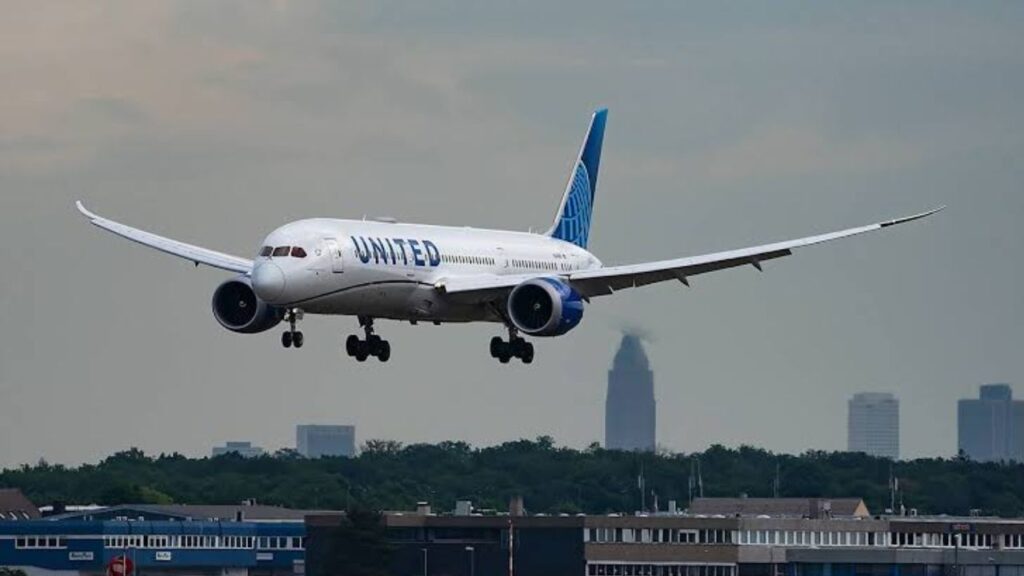
Problems surfaced almost immediately. On one of its first international rotations to Singapore, an unusual electrical smell in the cabin prompted pilots to return to SFO. Passengers were offloaded, and the aircraft was ferried back empty. Similar issues recurred throughout April, May, and early June 2026.
In early June, the aircraft reached Singapore but was forced to cancel its return flight, ferrying empty back to San Francisco for nearly a week of maintenance. It briefly returned to service for a London trip, only for the return leg to be canceled again, resulting in another empty ferry flight. By mid-June, after multiple disruptions including at least four passenger-free transoceanic ferries, United decided to send N61101 to Boeing’s Moses Lake facility for deeper troubleshooting.
These repeated groundings have disrupted schedules on high-profile routes and affected passengers booked on the aircraft. United has worked to reaccommodate travelers, but the situation underscores the teething pains common with new aircraft types and complex cabin retrofits.
Broader Context of United’s 787 Fleet Strategy
United operates one of the largest 787 fleets globally and views the type as central to its long-haul growth. The airline expects around 30 Elevated 787-9s in the coming years as part of broader orders. The Elevated configuration is being rolled out progressively, with several aircraft already delivered featuring the new interior.
The 787-9’s efficiency, range, and size make it suitable for routes to Asia, Europe, and beyond. However, introducing advanced cabin features such as new seats, doors, larger IFE systems, and integrated systems adds layers of complexity that can lead to initial reliability challenges. Boeing and United are collaborating closely on resolutions, as the success of this flagship aircraft is important for the airline’s premium product rollout.
United has taken delivery of multiple Elevated 787-9s, but N61101 has experienced the most prominent issues. Other aircraft in the subfleet appear to be performing more reliably, suggesting the problems may be isolated rather than systemic to the entire configuration.
Implications for Passengers and Operations
For passengers, the Elevated 787-9 promises a markedly improved experience on long-haul flights. The Polaris Studios, in particular, have received positive early feedback for privacy, space, and amenities when operational. Features like companion seating and enhanced dining elevate the product closer to true first-class territory on select routes.
However, the maintenance saga has led to inconvenience, with some flights canceled or swapped to older aircraft lacking the new interior. United’s MileagePlus members and premium customers expecting the latest product have expressed disappointment on forums and social media. The airline continues to prioritize safety and reliability while working toward a swift return to service.
From an operational standpoint, grounding a new aircraft for extended periods is costly. Each ferry flight burns fuel and crew resources without generating revenue. Boeing’s involvement at Moses Lake a large facility previously used for storage indicates a comprehensive diagnostic and repair effort. The timeline for N61101’s return remains unclear, but resolutions for such issues are often straightforward once identified by the manufacturer.
United’s Long-Term Fleet Modernization
This incident occurs as United accelerates its widebody expansion. The airline has deferred some older commitments but is receiving a steady stream of 787s to replace aging aircraft and support new routes. The Elevated interior rollout is a key differentiator in the competitive trans-Pacific and transatlantic markets against carriers like Delta and international rivals.
Boeing continues to support the 787 program amid its own production and delivery challenges. Early reliability issues with new variants or configurations are not uncommon in aviation, as seen with previous aircraft introductions across the industry. United remains optimistic about the long-term potential of the 787-9 Elevated fleet.
Outlook and Resolution Efforts
As of late June 2026, N61101 remains at Moses Lake under Boeing’s care. United has not issued a detailed public statement on the root causes, likely pending full diagnosis to avoid speculation. Passengers on affected routes are being monitored and offered alternatives where possible.
The episode serves as a reminder of the complexities involved in deploying cutting-edge aviation technology. While the initial teething problems are frustrating, successful resolution could pave the way for smoother operations across the rest of the Elevated subfleet. For United, resolving these issues promptly is essential to maintaining customer confidence in its flagship premium product and achieving the revenue and efficiency gains expected from the new aircraft.
Industry observers will watch closely for N61101’s return to service and any lessons learned that might benefit subsequent deliveries. In the meantime, United’s commitment to the 787 platform and its Elevated vision continues, positioning the airline for stronger long-haul competitiveness in the years ahead.