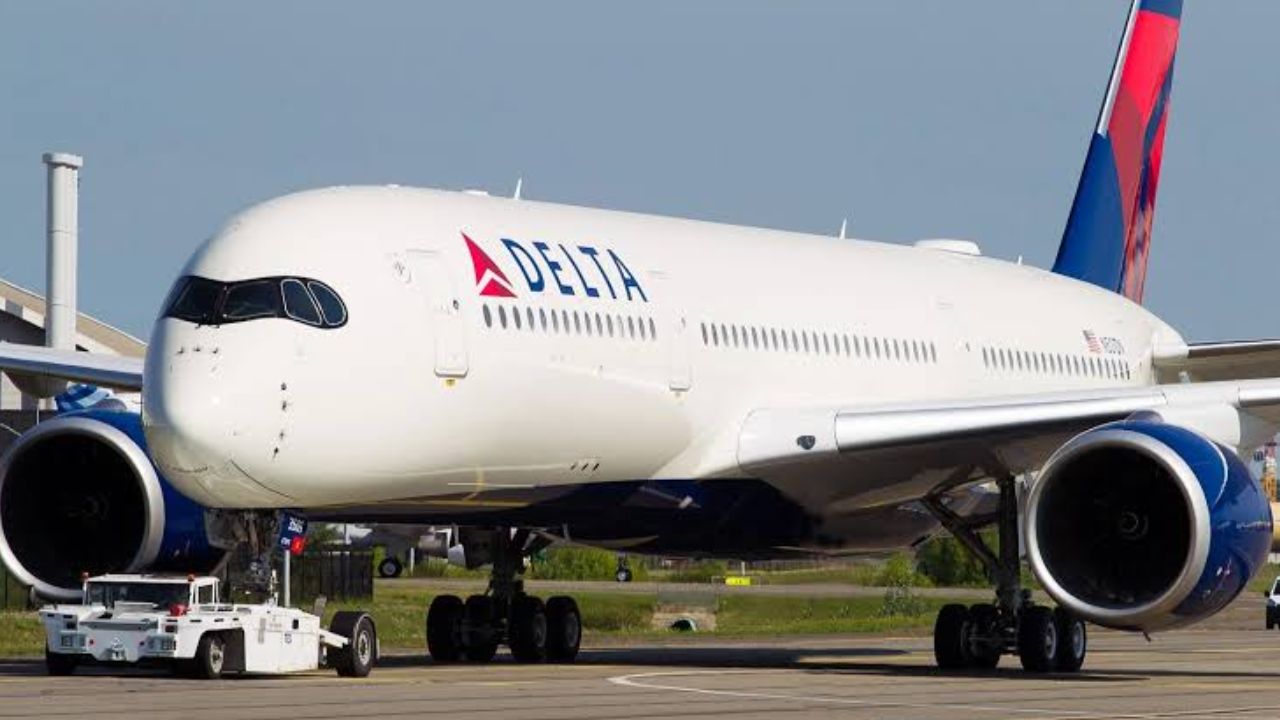
Delta Air Lines is set to become the first U.S. carrier to operate the Airbus A350-1000, with deliveries beginning in late 2026 or early 2027. The order for 20 firm aircraft, plus 20 options, announced in January 2024, positions the larger A350 variant as Delta’s new flagship widebody for its longest and highest-yield international routes. This move highlights a strategic divergence among the U.S. Big Three carriers in their long-haul fleet planning. While United Airlines has doubled down on a high-volume Boeing 787 program for greater frequency and network coverage, Delta is betting on fewer, larger, premium-dense aircraft optimized for revenue per departure on premium-heavy routes.
The A350-1000 represents a significant step up in capacity and capability compared to Delta’s existing A350-900s. Measuring approximately 239 feet 6 inches (73 meters) in length about 23 feet longer than the -900, it offers increased passenger and cargo capacity while maintaining the family’s efficiency advantages. Powered by Rolls-Royce Trent XWB engines and built with extensive composite materials, the aircraft promises around 25% better fuel efficiency than previous-generation widebodies. Its range of roughly 8,700 nautical miles supports Delta’s longest transpacific, transatlantic, and emerging markets in Asia, India, and the Middle East.
Delta’s Premium-Heavy Configuration on the A350-1000
Delta has designed the A350-1000 with an aggressive premium focus, allocating approximately 50% of seats to premium cabins, a notably high ratio for a U.S. carrier. The layout features 53 next-generation Delta One Suites in a 1-2-1 reverse-herringbone arrangement, marking the largest business-class cabin in Delta’s fleet. These Thompson Aero Seating VantageNOVA suites include 83-inch lie-flat beds, 24-inch 4K QLED screens, sliding privacy doors, wireless charging, mood lighting, and a dedicated in-cabin refreshment station.
Behind Delta One sits an expanded Delta Premium Select cabin with 48 seats, followed by Comfort+ and Main Cabin sections. The total seat count is approximately 314, broken down as 53 Delta One, 48 Premium Select, 51 Comfort+ (extra-legroom economy), and 162 standard Main Cabin. This configuration prioritizes high-yield passengers while still providing substantial economy capacity for leisure and visiting-friends-and-relatives traffic.
Delta A350-1000 Approximate Cabin Breakdown
| Cabin Class | Seats | Key Features |
|---|---|---|
| Delta One | 53 | 83″ beds, privacy doors, 24″ screens |
| Premium Select | 48 | Enhanced premium economy |
| Comfort+ | 51 | Extra legroom in economy |
| Main Cabin | 162 | Standard economy |
| Total | 314 | ~50% premium seats |
The design reflects Delta’s belief that select long-haul routes can support high premium loads. The larger aircraft allows the airline to carry more premium passengers per flight without sacrificing too much overall capacity, potentially generating superior revenue per departure compared to smaller widebodies.
Fleet Cascading and Replacement Strategy
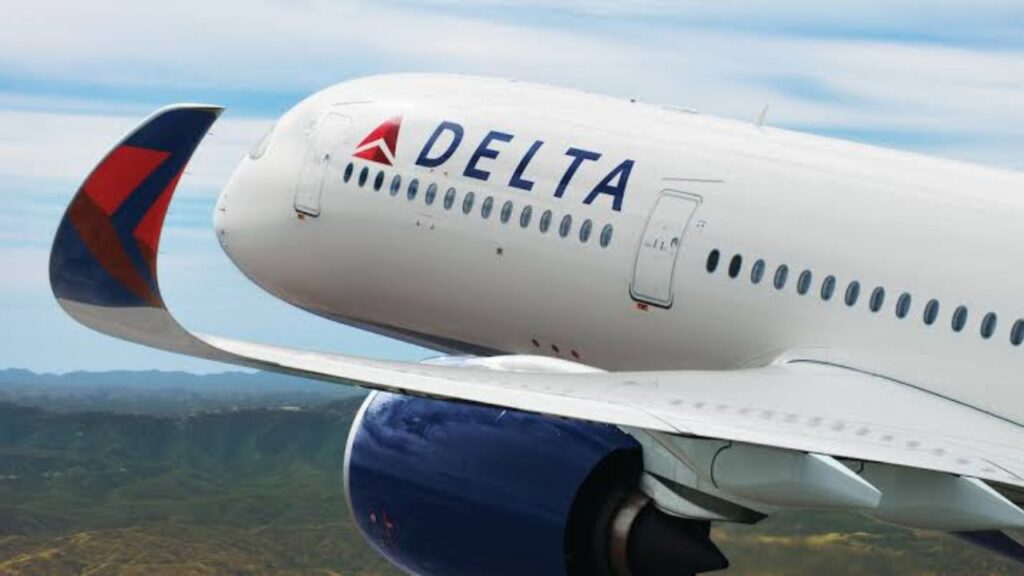
The A350-1000s will not simply add capacity; they will initiate a cascading “upgauging” across Delta’s widebody fleet. The new aircraft will primarily serve the longest, highest-demand routes currently operated by A350-900s. Those displaced -900s will then shift to routes flown by A330s and aging Boeing 767-300ERs, accelerating the retirement of the latter.
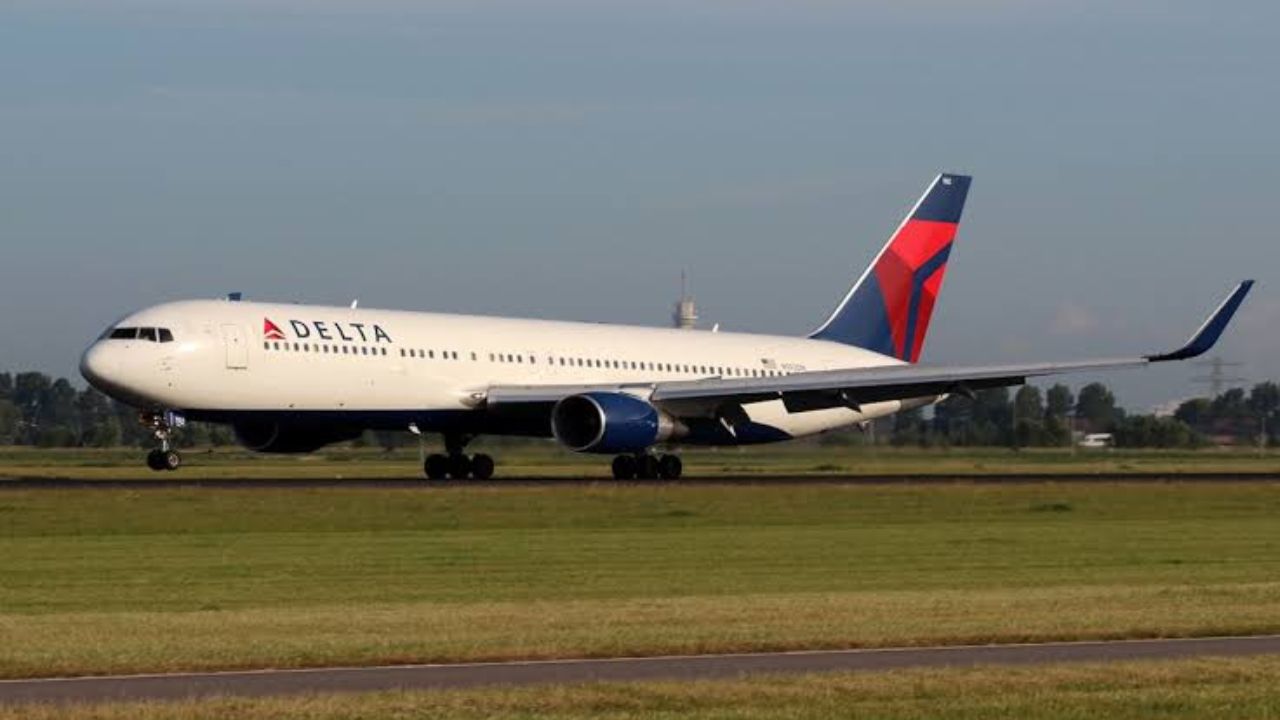
Delta operates one of the largest remaining 767-300ER fleets among major carriers. While reliable, these aircraft face rising fuel and maintenance costs. The A350-1000’s efficiency and range make it ideal for replacing them on demanding sectors. In parallel, Delta is investing over $1 billion to retrofit select A330-200 and -300 aircraft with new sliding-door Delta One suites, ensuring the interim fleet remains competitive during the transition period. This methodical approach allows Delta to modernize without creating capacity gaps, tailoring aircraft size and product to specific route characteristics.
United’s Contrasting 787-Centric Strategy
United Airlines has pursued a markedly different path, centering its widebody growth on the Boeing 787 Dreamliner family, particularly the 787-9. As part of its “United Next” initiative, United expects significant 787 deliveries in the coming years, including around 20 in 2026 and more thereafter, with many featuring the new “Elevated” interior.
United’s 787-9s typically feature 72 lie-flat Polaris seats (including standard suites and larger Polaris Studios), offering substantial premium capacity per aircraft but on a smaller overall platform than the A350-1000. The strategy emphasizes frequency and network breadth: deploying more aircraft across more routes rather than concentrating capacity on fewer, ultra-high-yield flights. United’s larger order volume for 787s supports greater schedule flexibility and the ability to open or expand secondary markets.
The Elevated 787-9 introduces enhanced Polaris Studios with larger 27-inch screens, companion seating options, privacy doors, and upgraded dining including caviar service. This product is competitive with Delta’s offerings but spreads across a broader set of routes enabled by the 787’s efficiency on medium-to-long sectors.
American’s All-Boeing Approach
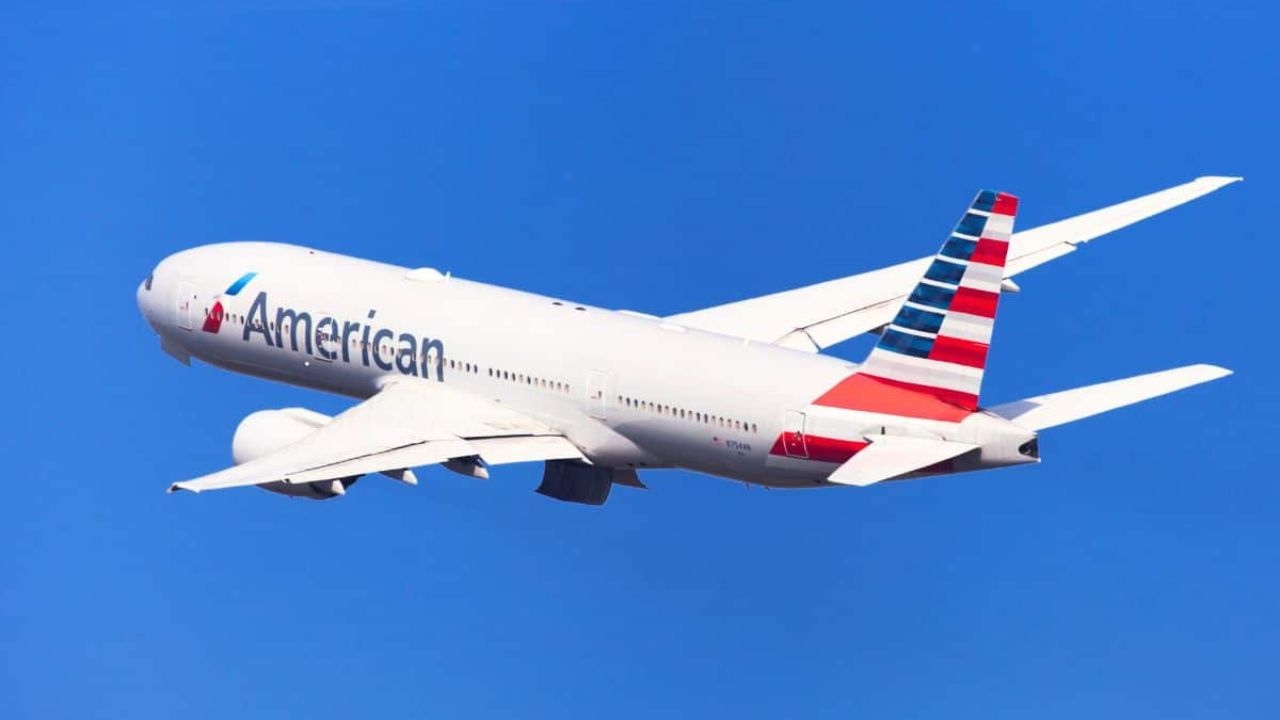
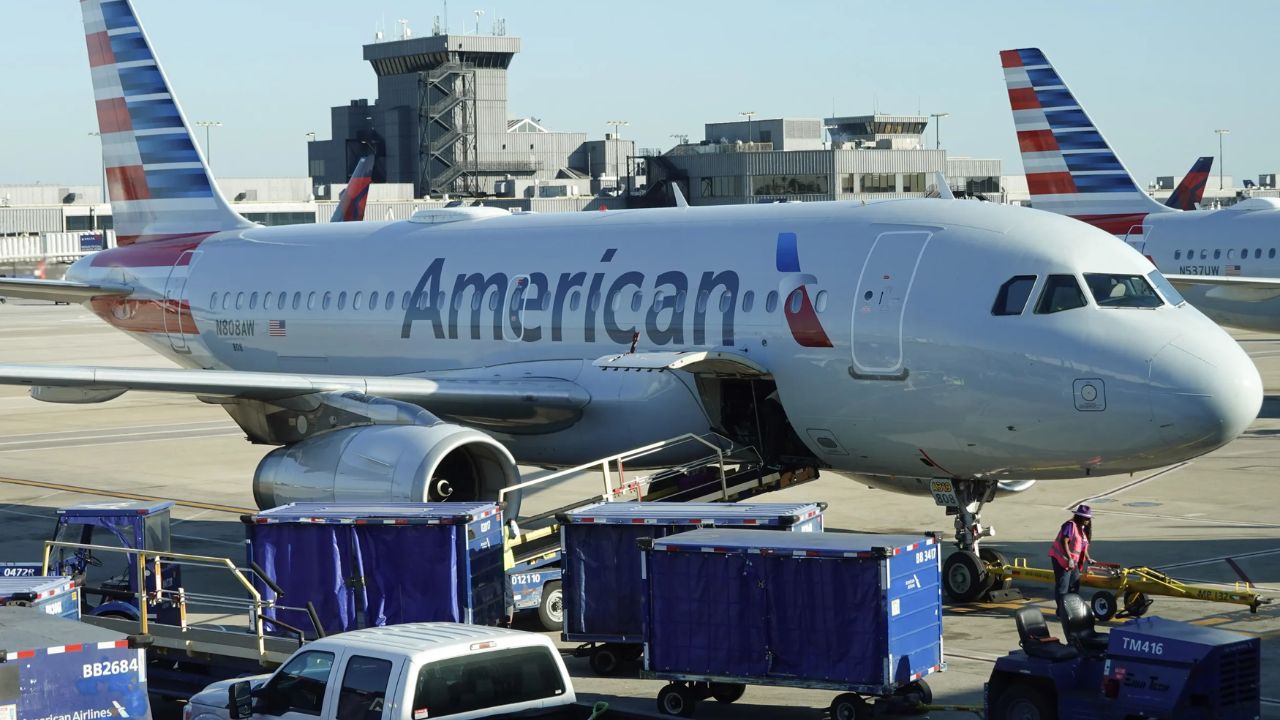
For context, American Airlines maintains an all-Boeing widebody fleet of 777s and 787s following pandemic-era retirements of its Airbus A330s and older 767s. This standardization simplifies maintenance, training, and operations but limits product and capacity diversity compared to Delta’s mixed Airbus/Boeing strategy or United’s heavy 787 focus. American has been more measured in widebody investments post-COVID, retrofitting 787s with Flagship Suites but lacking the volume of new deliveries seen at its rivals.
Strategic Implications of the Differing Bets
Delta’s A350-1000 commitment signals confidence in premium demand on its core long-haul routes, particularly transpacific and select transatlantic/India services. The larger aircraft supports higher cargo loads alongside passengers, an important revenue stream on Asia routes. By concentrating premium seats on bigger planes, Delta aims to maximize yield where demand justifies it.
United, conversely, leverages the 787’s versatility for more frequent service and route experimentation. This approach can capture market share through convenience and allows quicker adjustments to demand fluctuations. Both strategies invest heavily in lie-flat business class, but Delta pairs it with greater per-flight scale, while United emphasizes volume and frequency.
The outcomes will depend on several factors: sustained corporate and premium leisure recovery, fuel prices, geopolitical stability affecting route viability, and execution of cabin products. Delta’s model carries higher risk if premium loads soften, as empty premium seats are costly. United’s diversified frequency may prove more resilient but could yield lower revenue per departure on any single flight.
Looking Ahead for U.S. Long-Haul Competition
As deliveries ramp up, Delta’s A350-1000s will set a new benchmark for premium experience in its fleet, with enhanced suites, larger screens, and thoughtful details like companion privacy options. The aircraft will complement the airline’s existing 28+ A350-900s and additional orders, creating one of the most modern widebody fleets among U.S. carriers.
United’s continued 787 influx, including Elevated examples with more premium seating on select aircraft, will expand its international footprint significantly. The contrast between Delta’s “bigger and fewer” premium focus and United’s “more and flexible” strategy underscores how the two airlines view long-haul opportunities differently despite overlapping networks.
For passengers, this competition benefits travelers through improved products and more choices. For the airlines, success will hinge on matching aircraft capabilities and configurations precisely to demand patterns. Delta’s A350-1000 bet represents a bold assertion that, on the right routes, scale and premium density can outperform broader frequency. United’s 787-heavy plan bets that versatility and volume will ultimately drive stronger network results. Both approaches reflect sophisticated, data-driven fleet strategies tailored to each carrier’s strengths, hubs, and customer base.