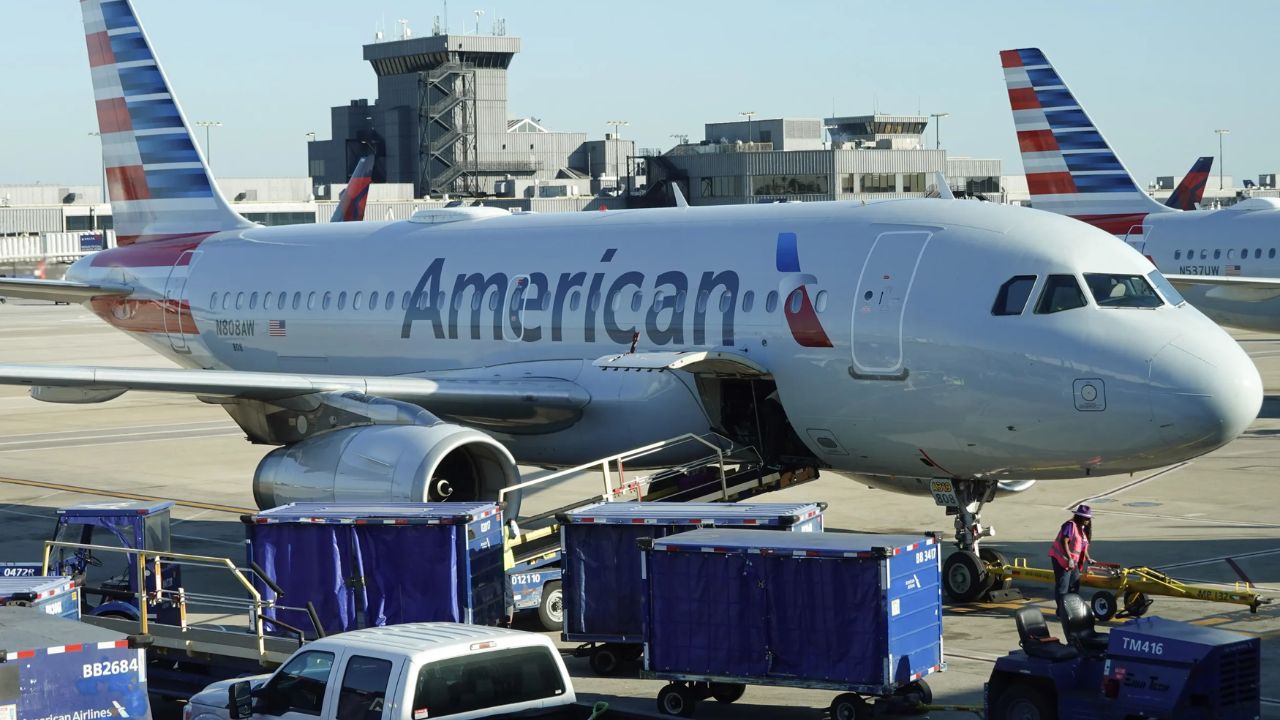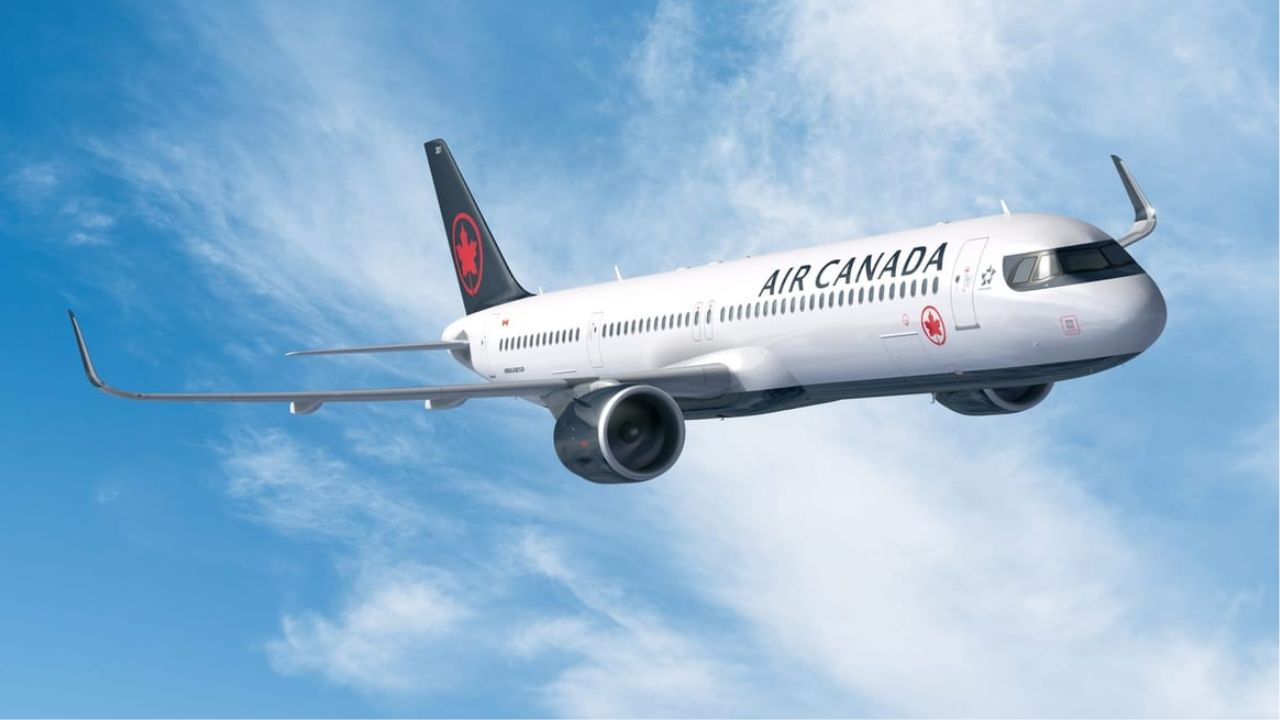
Air Canada’s first Airbus A321XLR arrived in April 2026, marking a significant milestone for the airline’s fleet modernization and its ambitions in long-haul narrowbody operations. Delivered in Hamburg, Germany, on April 24, 2026, and leased from SMBC Aviation Capital, the aircraft (registered C-GXLR) introduces lie-flat seating on a single-aisle jet for the first time in Air Canada’s history. While the type promises to open new transatlantic routes from secondary cities, the cabin configuration has sparked considerable discussion. With only 14 Signature Class suites and no dedicated Premium Economy section, Air Canada has opted for a high-capacity, two-class layout totaling 182 seats: 14 in business and 168 in economy.
This choice stands in contrast to some U.S. carriers that are configuring the A321XLR as a premium-heavy “mini-widebody.” Air Canada’s approach reflects a deliberate strategy focused on operational flexibility, route economics, and matching capacity to demand on thinner long-haul markets. The aircraft debuts the airline’s new “Glowing Hearted” cabin standard, featuring enhanced amenities across all classes, but prioritizes overall passenger volume over additional premium cabins.
Air Canada Chooses the European Model for the A321XLR
The Airbus A321XLR has prompted airlines to adopt differing philosophies on cabin design. Some operators, particularly in North America, are maximizing premium seating to boost revenue yields. Others, including several European carriers, favor denser configurations that emphasize efficiency and broader accessibility. Air Canada aligns with the latter group, mirroring layouts chosen by Iberia and Aer Lingus.
According to Airbus and Air Canada announcements, the A321XLR features 14 lie-flat Signature Class seats in a 1-1 configuration using Collins Aerospace Aurora suites, providing direct aisle access for every premium passenger. The remaining 168 seats are in a standard 3-3 economy arrangement with Collins Meridian+ slimline seats. There is no separate Premium Economy cabin.
This setup allows for a total capacity of 182 passengers, higher than many competing configurations. The decision highlights how airlines are tailoring the versatile A321XLR to their specific network needs rather than applying a one-size-fits-all premium approach.
Why Skip Dedicated Premium Economy?
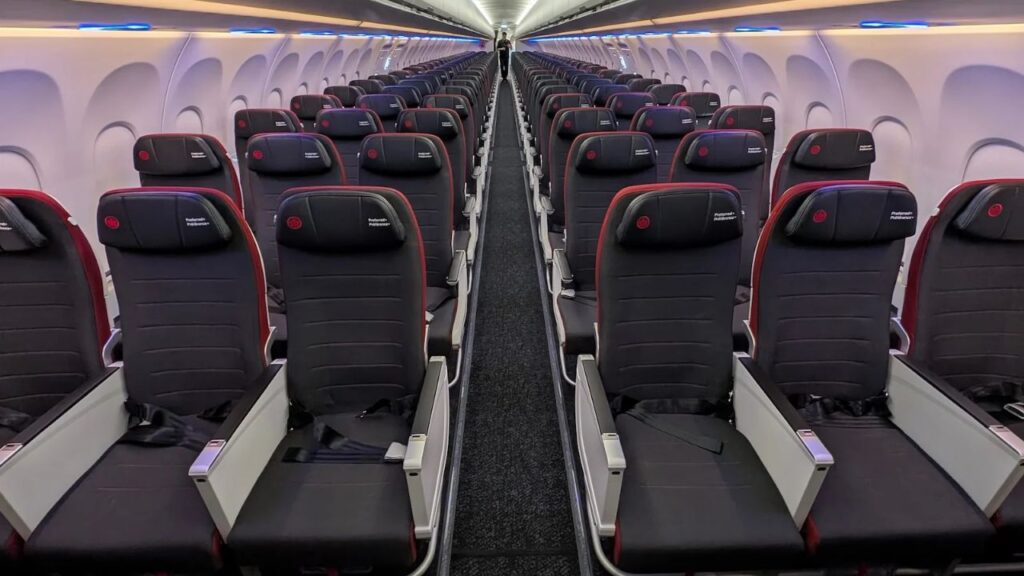
The absence of a Premium Economy cabin on Air Canada’s A321XLR raises questions, given the product’s popularity on widebody aircraft. Premium Economy has grown rapidly as travelers seek a meaningful upgrade over standard economy without the full cost of business class. However, Air Canada has addressed this segment differently through its Preferred+ seating program within the economy cabin.
The airline has designated 36 Preferred+ seats, offering 34-35 inches of pitch compared to 31 inches in standard economy seats. These provide extra legroom and are available as an upsell. Unlike a fixed Premium Economy cabin, Preferred+ seats remain part of the economy inventory. This flexibility is advantageous for seasonal or variable-demand routes, where seats can be sold at premium prices during peak periods or released into general economy when needed.
A dedicated third class requires separate inventory controls, distinct service standards, specialized catering, and dedicated pricing. By integrating enhanced economy seating, Air Canada simplifies operations while still capturing additional revenue from passengers willing to pay for more space. This approach suits the airline’s mix of leisure, visiting friends and relatives (VFR), and seasonal traffic on many new routes.
The Routes Shape the Configuration
The A321XLR’s long range, enabled by additional fuel capacity in the rear fuselage makes it ideal for connecting cities that cannot sustainably support larger widebody aircraft. Air Canada plans to deploy the type on routes from Montréal–Trudeau International Airport (YUL) to destinations such as Toulouse, Nantes, Berlin, and potentially others like Palma de Mallorca as an inaugural service.
These secondary European markets often feature strong leisure and VFR demand but lack the consistent high-yield corporate traffic found on core routes like Toronto-London or Montreal-Paris. Filling a large Premium Economy cabin year-round could prove challenging, especially outside summer peaks. With only 14 business class seats, Air Canada focuses premium capacity where it can reliably achieve high load factors, while maximizing economy seats to spread fixed costs across more passengers.
Powered by Pratt & Whitney GTF engines, the aircraft offers efficiency that supports this right-sizing strategy. Instead of deploying a Boeing 787 or Airbus A330 with significantly higher seat counts and operating costs, the A321XLR allows Air Canada to match supply more closely to actual demand, improving load factors and route profitability.
A321XLR Configuration Comparison
| Airline | Business Class | Premium Economy | Economy | Total Seats |
|---|---|---|---|---|
| Air Canada | 14 | 0 | 168 | 182 |
| Iberia | 14 | 0 | 168 | 182 |
| Aer Lingus | 16 | 0 | 168 | 184 |
| American Airlines | 20 | 12 | 123 | 155 |
| United Airlines | 20 | 12 | 118 | 150 |
The table illustrates the divide clearly. Air Canada and its European counterparts prioritize higher overall capacity, while American and United invest in multiple premium cabins at the expense of dozens of economy seats.
Signature Class: Quality Over Quantity
Despite the modest number of premium seats, Air Canada has not compromised on the quality of its flagship product. The 14 Signature Class suites offer lie-flat capability, 21-inch seat width, large 4K OLED screens with Bluetooth audio, wireless charging, and direct aisle access. The Collins Aurora design is tailored to the A321XLR’s dimensions, maximizing space in the narrowbody environment.
This represents a significant step up for single-aisle long-haul travel in Air Canada’s fleet. Passengers in Signature Class will experience elements of the airline’s widebody product translated to a smaller aircraft, including enhanced privacy and connectivity features as part of the Glowing Hearted standard. The airline is concentrating investment in this front cabin while relying on Preferred+ for the middle market.
Contrasting Strategies: North America vs. Europe
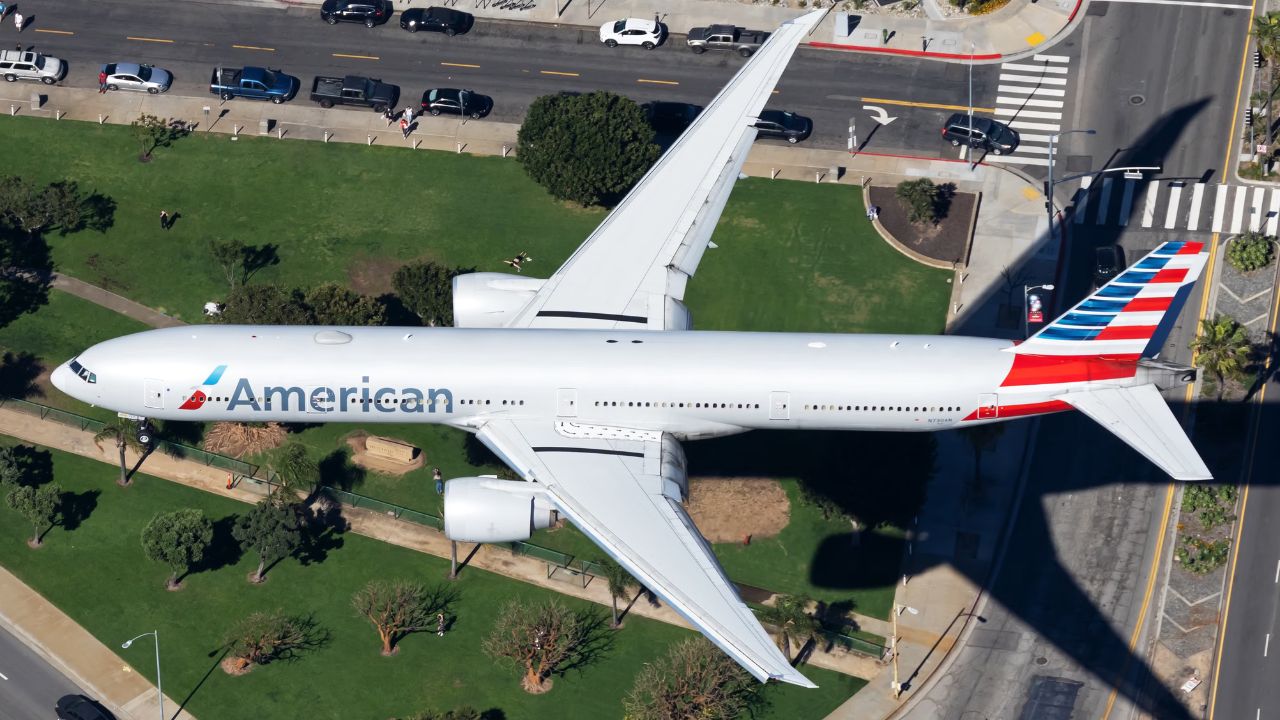
U.S. majors like American Airlines and United Airlines have configured their A321XLRs with around 20 business suites and a dedicated 12-seat Premium Economy section in a 2-2 layout. This “mini-widebody” approach aims to capture high-yield corporate and leisure premium traffic, positioning the aircraft as a replacement for aging Boeing 757s on transatlantic routes. Their lower total capacities (around 150-155 seats) reflect a bet on revenue per passenger over volume.
Air Canada, like Iberia and Aer Lingus, bets on flexibility and scale. With orders for 30 A321XLRs, the airline sees the type as a route-development tool capable of profitably serving thinner markets. The denser configuration supports higher utilization and better economics on seasonal routes, where nonstop convenience can drive demand even without extensive premium offerings.
Broader Implications for Long-Haul Narrowbody Operations
The A321XLR represents a shift in how airlines approach long-haul flying. By enabling efficient service to secondary cities, it expands connectivity without the capacity risks of widebodies. Air Canada’s configuration suggests a focus on accessibility and frequency rather than ultra-luxury across every cabin.
As the aircraft enters revenue service around mid-2026, with initial routes from Montreal, performance data will reveal the strengths of this approach. Factors such as load factors, yield management success with Preferred+ seats, and overall route profitability will determine its long-term success.
For passengers, the layout offers clear choices: a true lie-flat business experience for those who need it, extra-legroom economy options for many others, and competitive fares in standard economy. The absence of Premium Economy may disappoint some, but the enhanced Preferred+ product and potential for lower base fares could appeal to a broader audience.
Air Canada’s strategy with the A321XLR underscores the aircraft’s versatility. Different operators are using the same platform to pursue distinct goals based on their networks, competitive landscapes, and customer demographics. Whether the European-style high-capacity model or the North American premium-heavy approach proves more successful will be an important case study in the coming years.
Ultimately, the A321XLR’s introduction strengthens Air Canada’s position in the transatlantic market by enabling new direct services that were previously impractical. The configuration choices reflect pragmatic decision-making aimed at sustainable growth, efficiency, and customer choice tailored to specific route dynamics. As more aircraft join the fleet, this balanced approach may well define one successful path for long-haul narrowbody aviation.