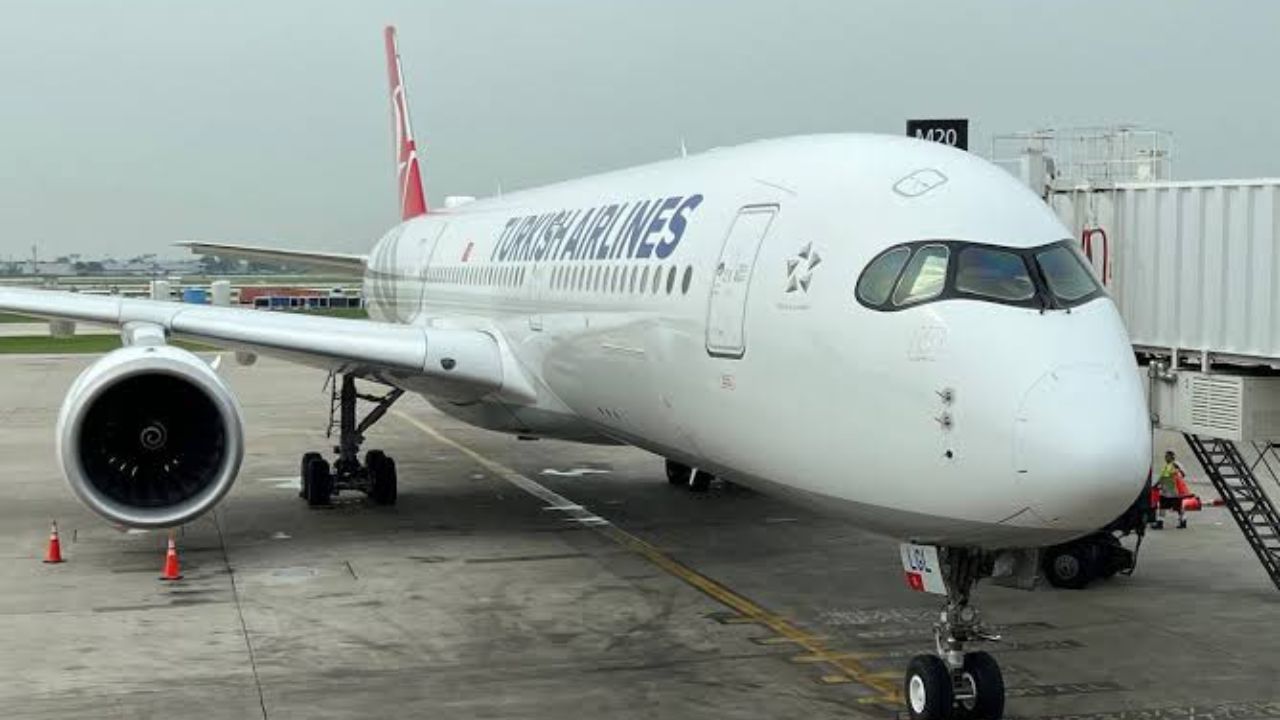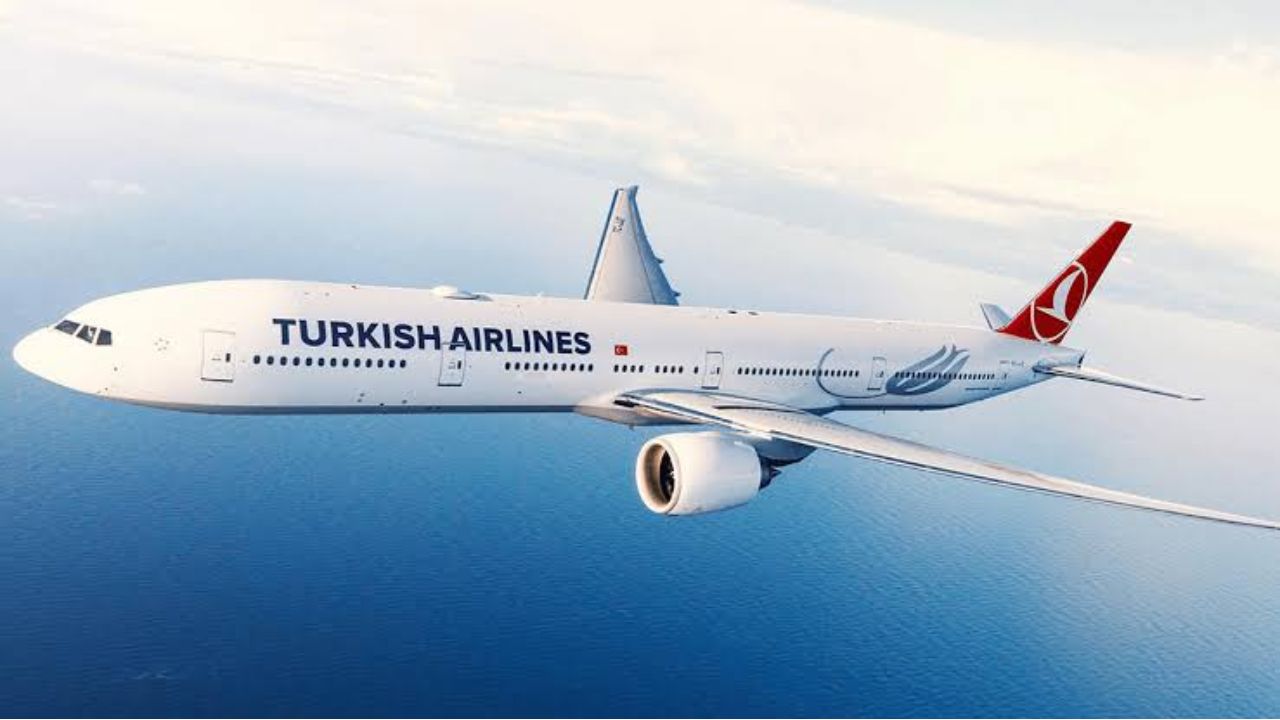
Turkish Airlines is preparing to reintroduce premium economy cabins on its widebody fleet from 2028 as part of a broader strategy to premiumize its product offerings and adapt to changing passenger preferences. The move comes after more than a decade without this cabin class following the discontinuation of its earlier Comfort Class in 2013. Under the leadership of Professor Murat Seker, who serves as Chair of the Board of Directors and the Executive Committee, the airline is focusing on enhancing revenue through higher yield products while expanding its network and fleet. This initiative aligns with Turkish Airlines ambitious goal of growing to more than 800 aircraft by 2033 and achieving annual revenue exceeding 50 billion dollars.
The decision reflects global trends in post-pandemic travel where passengers show increased willingness to pay for additional comfort on long haul flights. Seker noted in an interview with Forbes that research indicates around two thirds of long haul passengers are prepared to pay a premium for extra legroom and enhanced service. By allocating approximately 8 to 9 percent of current economy capacity to the new premium economy section Turkish Airlines aims to capture this demand without significantly reducing overall seating numbers. The reintroduction is expected to complement the upcoming launch of the new Crystal Business Class suite on Airbus A350 aircraft in early 2027 and subsequent retrofits to the Boeing 777 fleet.
Lessons From The Previous Comfort Class Experience
Turkish Airlines first experimented with a premium economy product known as Comfort Class between 2010 and 2013. That cabin featured wider seats with increased legroom adjustable leg rests and a 2-3-2 configuration. It was initially introduced on select long haul routes but faced challenges related to inconsistent passenger experience particularly for connecting travelers and when aircraft substitutions occurred. The limited rollout across the fleet and operational complexities led to its eventual removal.
Seker acknowledged that the previous attempt likely suffered from suboptimal layout and timing. The new premium economy product is expected to address these shortcomings by ensuring consistent availability and a more refined configuration. Industry observers anticipate a layout that prioritizes a larger business class section compared to premium economy creating a more balanced premium offering. This approach should improve passenger satisfaction and operational efficiency across the network.
The airline current focus on premiumization includes increasing overall seats per aircraft by more than 12 percent and expanding business class capacity by at least 10 percent. These changes are designed to boost revenue per flight while maintaining the high load factors Turkish Airlines is known for. The reintroduction of premium economy fits into this strategy by filling the gap between economy and business class creating an additional revenue tier for travelers seeking enhanced comfort without full business class pricing.
Integration With The Expanding Widebody Fleet
The new premium economy cabin is likely to debut on the Airbus A350-1000 which Turkish Airlines expects to begin receiving in the second half of 2027. The airline has commitments for up to 15 of these aircraft by 2030 providing an ideal platform for the upgraded product. The A350-1000 larger cabin and modern systems will allow for a spacious premium economy section with features such as increased recline better legroom and enhanced entertainment options.
Turkish Airlines also holds a substantial order for Boeing 787 Dreamliners including 35 firm orders for the 787-9 and 15 for the 787-10 with options for 25 additional aircraft. Deliveries are scheduled between 2029 and 2034 offering further opportunities to introduce the premium economy product across the widebody fleet. Both the A350 and 787 families are well suited for long haul operations where premium economy demand is typically strongest.
The airline is also a stakeholder in TCI Aircraft Interiors a company that manufactures the Royalux seat suitable for premium economy on widebody aircraft. This partnership should facilitate customization and integration of the new cabin product. Features such as privacy partitions adjustable headrests seatback screens and device chargers are expected to enhance the overall experience.
The table below outlines Turkish Airlines key widebody commitments relevant to the premium economy rollout.
| Aircraft Type | Firm Orders | Options | Expected Delivery Window | Role In Premium Economy Strategy |
|---|---|---|---|---|
| Airbus A350-1000 | Up to 15 | Not specified | From H2 2027 | Initial platform for new cabin |
| Boeing 787-9 | 35 | Not specified | 2029-2034 | Long haul premium operations |
| Boeing 787-10 | 15 | 25 | 2029-2034 | Higher capacity long haul |
These aircraft will gradually replace older A330s and support the phase out of the A380 fleet creating a modern widebody backbone for the airline network.
Broader Fleet Expansion And Network Strategy
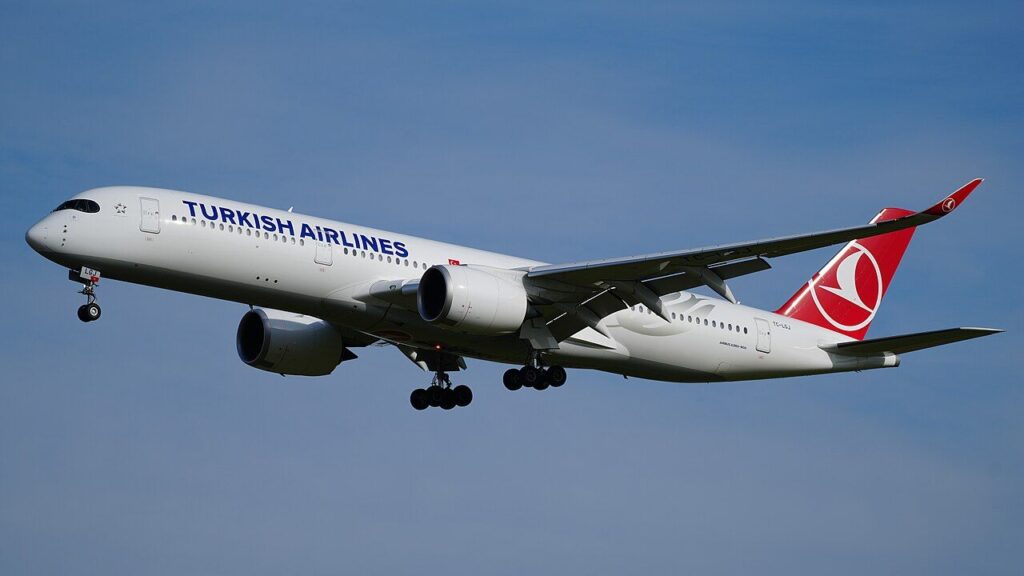
Turkish Airlines fleet growth to over 800 aircraft by 2033 forms the foundation for its premium economy plans. The airline currently operates a diverse fleet but is focusing on modernization to improve efficiency and passenger appeal. The addition of premium economy across widebody aircraft will allow for better revenue management on long haul routes where competition from Gulf carriers and European airlines remains intense.
The central location of Istanbul Airport provides access to approximately 50 percent of the global population giving Turkish Airlines a natural advantage in connecting markets. Despite challenges from regional instability and fuel price volatility the airline maintains its commitment to network expansion targeting around 350 destinations. The premium economy product will support this growth by attracting higher yield passengers on key intercontinental routes.
Seker emphasized that the airline remains flexible in adjusting its narrowbody plans while keeping widebody and cargo strategies on track. This balanced approach ensures that premium economy introduction does not disrupt overall growth objectives. The focus on long haul premiumization aligns with increasing demand for comfortable travel options as global business and leisure travel recover and evolve.
Potential Challenges And Implementation Considerations
Introducing premium economy after more than a decade requires careful planning. Turkish Airlines must ensure consistent product delivery across different aircraft types and crew training to maintain service standards. The previous Comfort Class experience highlighted the risks of inconsistent availability and operational issues which the airline will likely address through standardized configurations and robust training programs.
Supply chain considerations for new seats and cabin modifications could also influence timelines. As the airline integrates the A350 and 787 fleets it will need to coordinate cabin upgrades with delivery schedules to minimize downtime. Regulatory approvals and certification for the new product on each aircraft type will add another layer of complexity.
Market acceptance represents another important factor. While research shows strong interest in premium economy success will depend on delivering a compelling product at the right price point. Turkish Airlines will need to balance competitive pricing with the quality expectations associated with its brand particularly on routes where Gulf carriers offer strong premium alternatives.
Long Term Impact On Turkish Airlines Competitiveness
The return of premium economy should strengthen Turkish Airlines position in the long haul market. By offering a three class configuration on widebody aircraft the airline can better segment its customer base and capture additional revenue from travelers seeking enhanced comfort. This aligns with industry trends where premium cabins contribute disproportionately to profitability.
The broader fleet renewal program including new narrowbody and widebody aircraft will improve overall efficiency and reduce operating costs. Combined with network expansion and hub optimization at Istanbul these investments position Turkish Airlines for sustained growth through the 2030s. The premium economy product will play a supporting role by enhancing the appeal of long haul flights and reinforcing the airline reputation for quality service.
For passengers the changes promise more choices and improved comfort on international routes. Business travelers and leisure passengers willing to pay a premium for extra space will benefit from the new cabin while economy passengers continue to enjoy competitive fares supported by the airline efficient operations.
Turkish Airlines premium economy return from 2028 represents a thoughtful evolution of its product strategy. By learning from past experiences and aligning with current market demands the airline is investing in a more competitive and passenger focused future. As the first A350-1000s arrive and the wider fleet modernization progresses the impact of this decision will become increasingly visible across its global network. The coming years will test the effectiveness of this approach but early indications suggest Turkish Airlines is well positioned to succeed in an increasingly premium oriented long haul market.