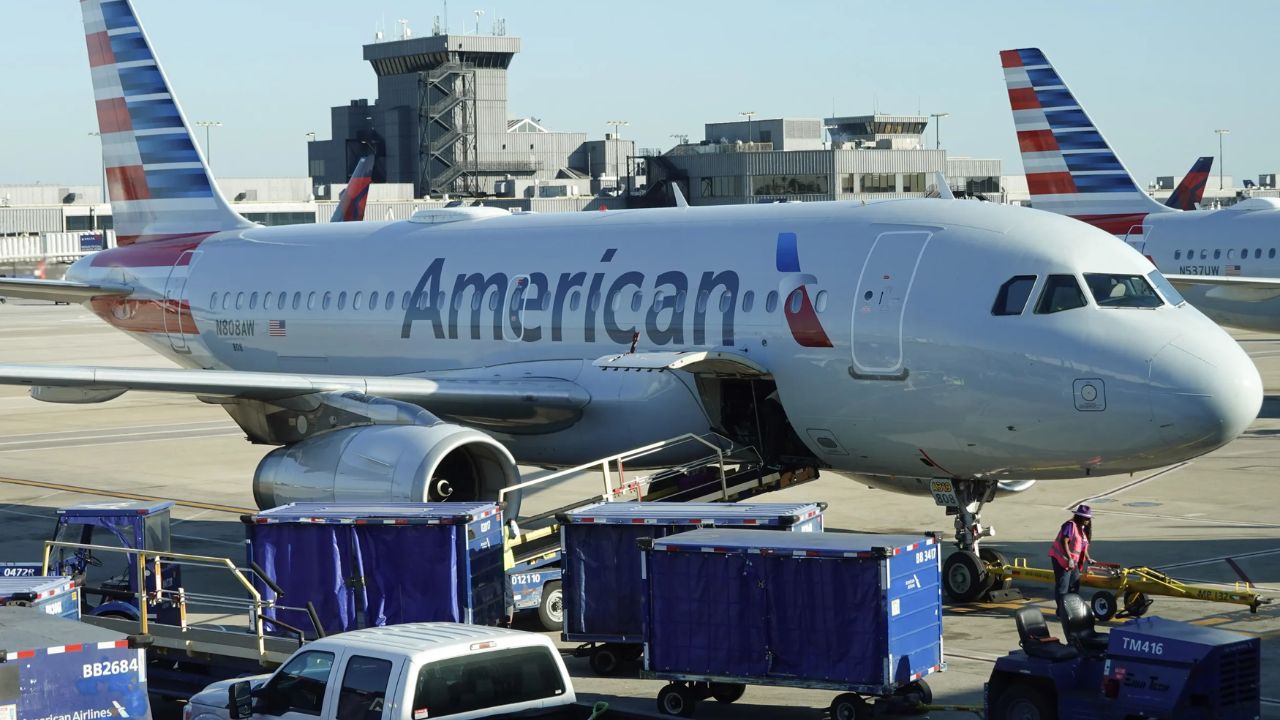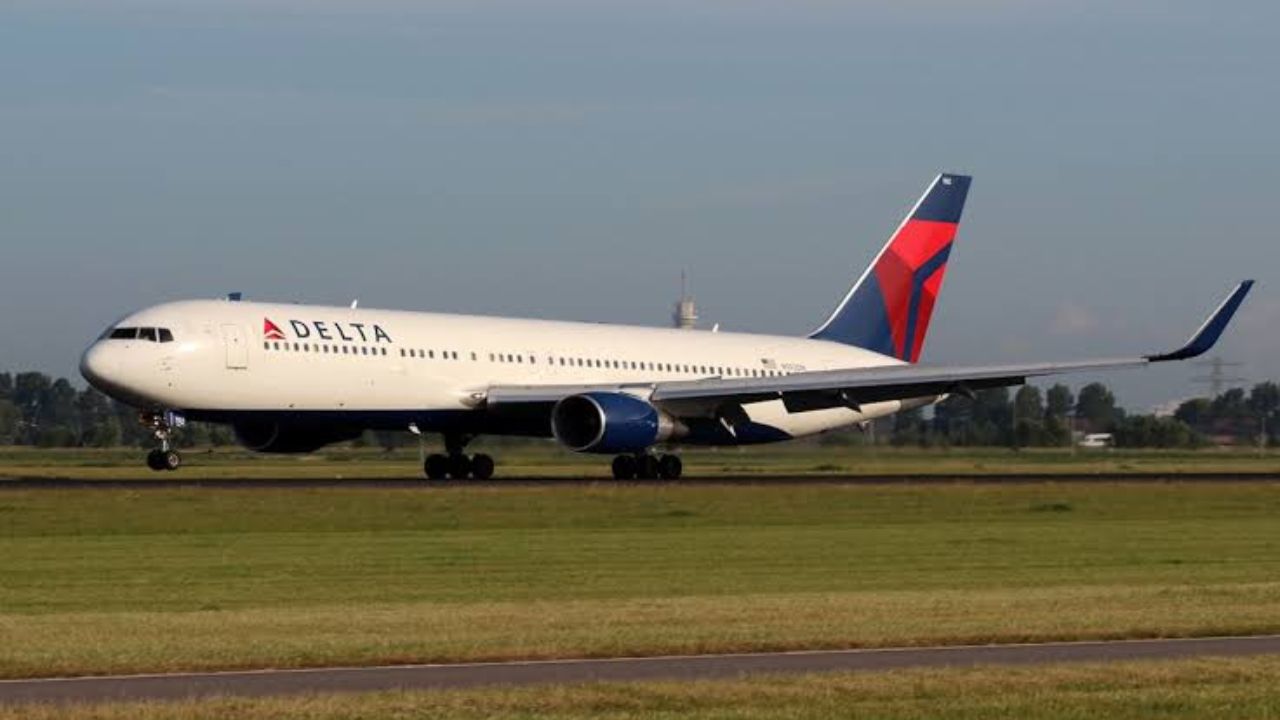
The United States military maintains the world’s most advanced and expensive airpower capabilities. Its major aircraft programs represent multi-decade investments that combine research, development, procurement, and long-term sustainment. These efforts often span billions or even trillions of dollars when viewed across their full lifecycle. In 2026 several high-profile programs continue to drive significant portions of the defense budget. Their costs reflect not only the complexity of modern aircraft but also the strategic necessity of maintaining technological superiority against peer competitors.
This ranking examines the five most expensive active aircraft programs based on total estimated lifecycle costs including development procurement and operations. Figures draw from official budget documents congressional reports and defense analyses. While exact numbers can shift due to inflation adjustments and program changes the relative scale remains consistent. These programs highlight the Air Force and Navy focus on next-generation capabilities while sustaining legacy systems that remain critical for current operations.
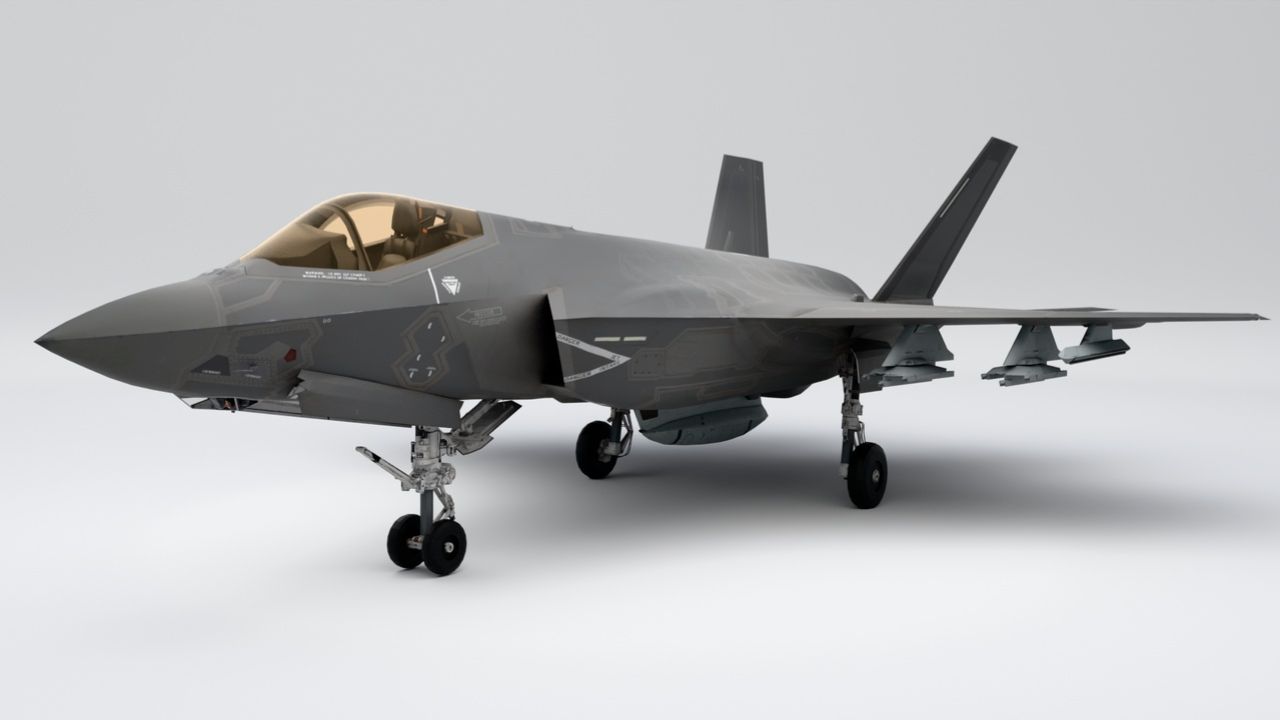
The F-35 Lightning II Program Remains The Largest By Far
The Lockheed Martin F-35 Lightning II tops the list as the most expensive active aircraft program in US military history. With a projected total lifecycle cost approaching or exceeding 2 trillion dollars over its expected 100-year service life the program encompasses three variants serving the Air Force Navy and Marine Corps plus international partners. The F-35A conventional takeoff model the F-35B short takeoff and vertical landing version and the F-35C carrier variant each address specific operational needs while sharing common technology.
Unit costs vary by variant. The F-35A has a flyaway price around 82.5 million dollars while the F-35B reaches 109 million dollars and the F-35C sits at 102.1 million dollars. When including initial spares support equipment and infrastructure the effective entry cost per aircraft rises further. The program has faced criticism over development delays and sustainment expenses but it delivers unmatched sensor fusion stealth and networking capabilities that define fifth-generation airpower.
The F-35 program cost structure includes substantial ongoing expenses. Operating the aircraft costs significantly more per flight hour than legacy fighters with figures ranging from 34000 to 42000 dollars compared to 8000 to 10000 dollars for an F-16. This reflects the advanced materials specialized maintenance requirements and sophisticated logistics systems needed to support the fleet. Despite these challenges the F-35 has achieved strong operational availability in recent years and continues to receive upgrades such as Technology Refresh 3 that enhance its combat effectiveness.
The B-21 Raider Strategic Bomber Program
The Northrop Grumman B-21 Raider ranks second among the most expensive active programs with an estimated total lifecycle cost exceeding 200 billion dollars for a planned fleet of around 100 aircraft. This next-generation stealth bomber is designed to replace the B-2 Spirit and eventually the B-52 Stratofortress providing long-range strike capabilities in highly contested environments.
Current procurement unit costs fall between 700 million and 750 million dollars per aircraft. When research and development plus 30 years of operations are included the full program cost aligns with the 200 billion dollar estimate. The B-21 benefits from digital engineering techniques and evolutionary design principles drawn from the B-2 experience which have helped control costs compared to earlier stealth bomber programs.
The aircraft features advanced stealth coatings that reduce maintenance requirements and resilient systems that can operate from standard military facilities rather than specialized climate-controlled hangars. These improvements help contain long-term sustainment expenses. The B-21 program has progressed smoothly with first flight in 2023 and initial operational capability expected around 2027. If the fleet expands to 185 or 225 aircraft as some analysts suggest per-unit costs could decrease further due to economies of scale in production.
The KC-46 Pegasus Aerial Tanker Program
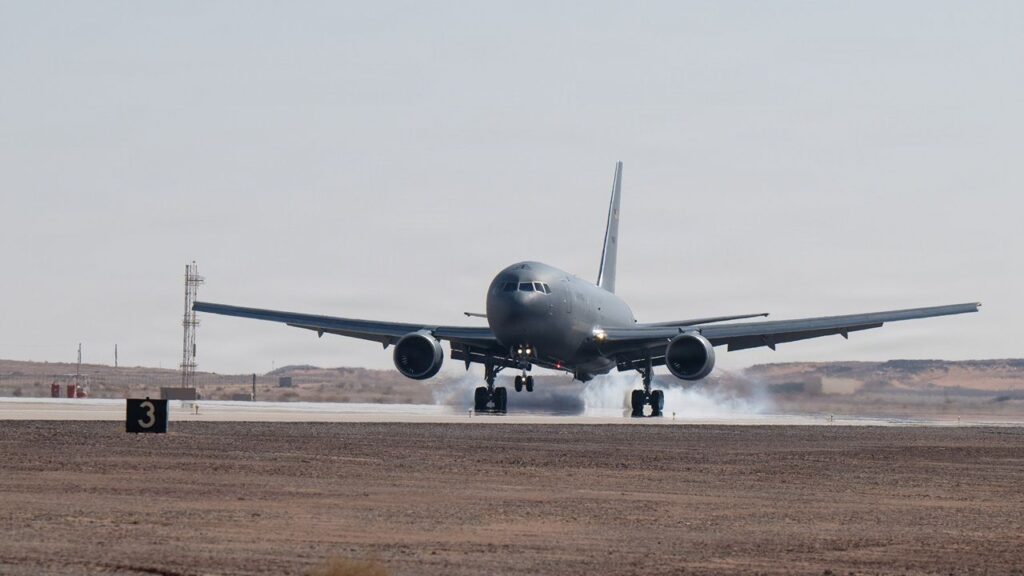
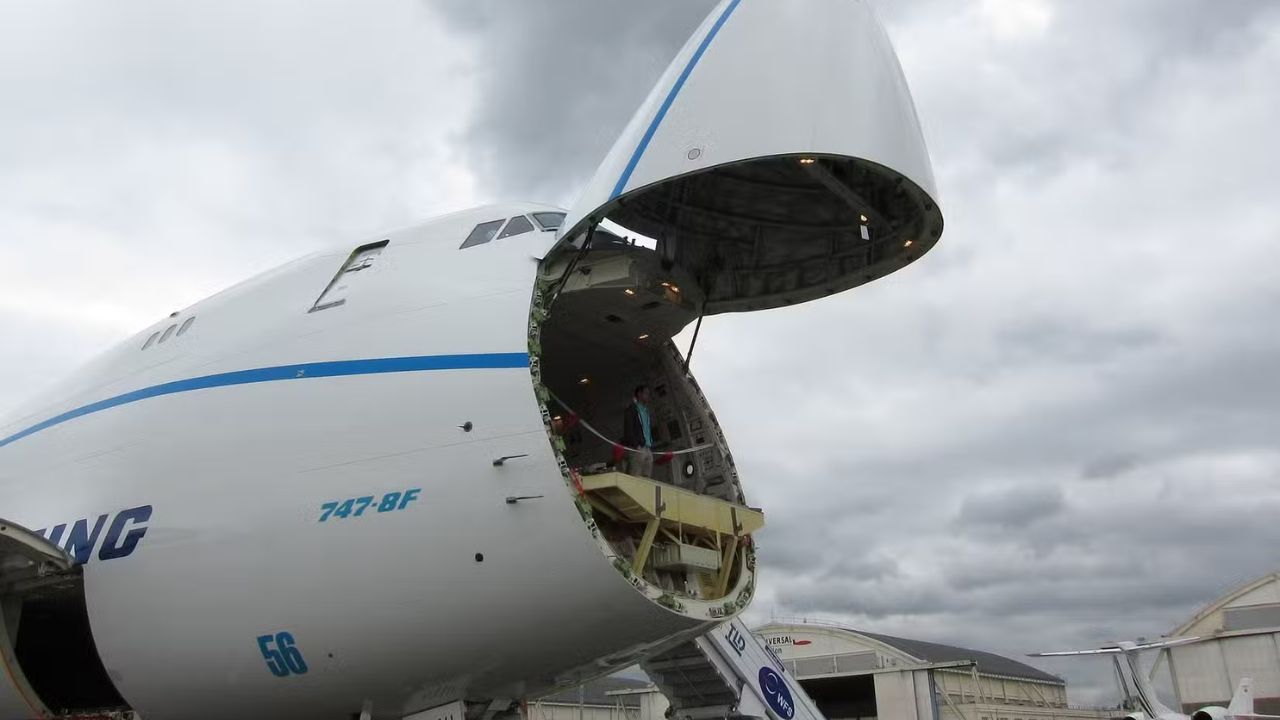
The Boeing KC-46 Pegasus program ranks third with a total procurement cost locked at approximately 52 billion dollars for 179 aircraft under a fixed-price contract. This tanker replaces the KC-135 Stratotanker providing modern refueling capabilities to the Air Force fleet. The program has faced technical challenges including issues with the remote vision system and refueling boom but it remains on track for full operational capability.
The fixed-price structure has shifted significant cost overruns to Boeing which has absorbed more than 7.5 billion dollars in losses. This arrangement protects the government from escalation but highlights the risks of complex development programs. The KC-46 introduces capabilities such as a camera-based 3D boom operator station and improved cargo and passenger transport functions compared to its predecessor.
While the base procurement cost is fixed the Air Force continues investing in upgrades and support infrastructure. The program addresses critical tanker capacity needs as the KC-135 fleet ages. Its success is vital for extending the range of fighter and bomber operations particularly in the vast distances of the Indo Pacific theater.
The F-47 Next Generation Air Dominance Program
The Boeing F-47 under the Next Generation Air Dominance program represents the Air Force future air superiority fighter with an estimated total cost exceeding 50 billion dollars for a planned fleet of around 185 aircraft. This sixth-generation platform will incorporate advanced stealth variable cycle engines and the ability to command drone swarms as part of a system of systems approach.
Unit costs are projected around 300 million dollars per aircraft reflecting the cutting-edge technologies involved. The program builds on earlier demonstrators and aims for prototype flight around 2028 with operational service in the early 2030s. The F-47 is designed for the Indo Pacific theater where long range and survivability in contested airspace are paramount.
The aircraft will work alongside collaborative combat aircraft extending sensor coverage and conducting high-risk missions. Its development reflects the Air Force shift toward networked warfare where individual platforms contribute to a larger battlespace architecture. Substantial funding in recent budgets underscores the priority placed on this capability.
The F-15EX Eagle II Fighter Program
The Boeing F-15EX Eagle II completes the top five with a total program cost estimated between 30 and 35 billion dollars for 104 aircraft. This fourth-generation plus fighter serves as a cost-effective replacement for aging F-15C and D models while providing a high-capacity missile platform to support fifth-generation operations.
Unit flyaway costs range from 90 to 93 million dollars per aircraft. The F-15EX leverages the existing production line and proven design to deliver rapid capability at lower risk than entirely new platforms. It features advanced radars electronic warfare systems and the ability to carry large numbers of air-to-air missiles making it an effective “missile truck” in future conflicts.
The program provides the Air Force with immediate capacity while sixth-generation fighters mature. Its relatively modest total cost compared to other programs reflects the evolutionary approach rather than revolutionary development. The F-15EX will operate alongside F-35s and future F-47s creating a mixed fleet that balances capability and affordability.
The table below summarizes the top five programs by estimated total lifecycle cost.
| Rank | Program | Primary Contractor | Estimated Total Cost | Key Role |
|---|---|---|---|---|
| 1 | F-35 Lightning II | Lockheed Martin | 2 trillion dollars | Multi-role stealth fighter |
| 2 | B-21 Raider | Northrop Grumman | 200 billion dollars | Strategic stealth bomber |
| 3 | KC-46 Pegasus | Boeing | 52 billion dollars | Aerial refueling tanker |
| 4 | F-47 NGAD | Boeing | 50 billion dollars | Sixth-generation air dominance fighter |
| 5 | F-15EX Eagle II | Boeing | 30-35 billion dollars | Advanced fourth-generation fighter |
These programs represent the backbone of future US airpower. Their costs reflect the increasing complexity of modern warfare where platforms must integrate advanced sensors networking and weapons systems. While the F-35 dominates in scale other programs address specific mission needs from strategic bombing to aerial refueling.
The Air Force and Navy continue balancing investment across these efforts while managing budget constraints. International partners add further complexity and opportunities for cost sharing particularly in the F-35 program. As threats evolve these aircraft will define American military aviation for decades to come. Their development and sustainment require careful oversight to ensure taxpayer dollars deliver the capabilities needed to maintain global air superiority. The scale of these investments underscores the strategic importance of airpower in modern defense planning.