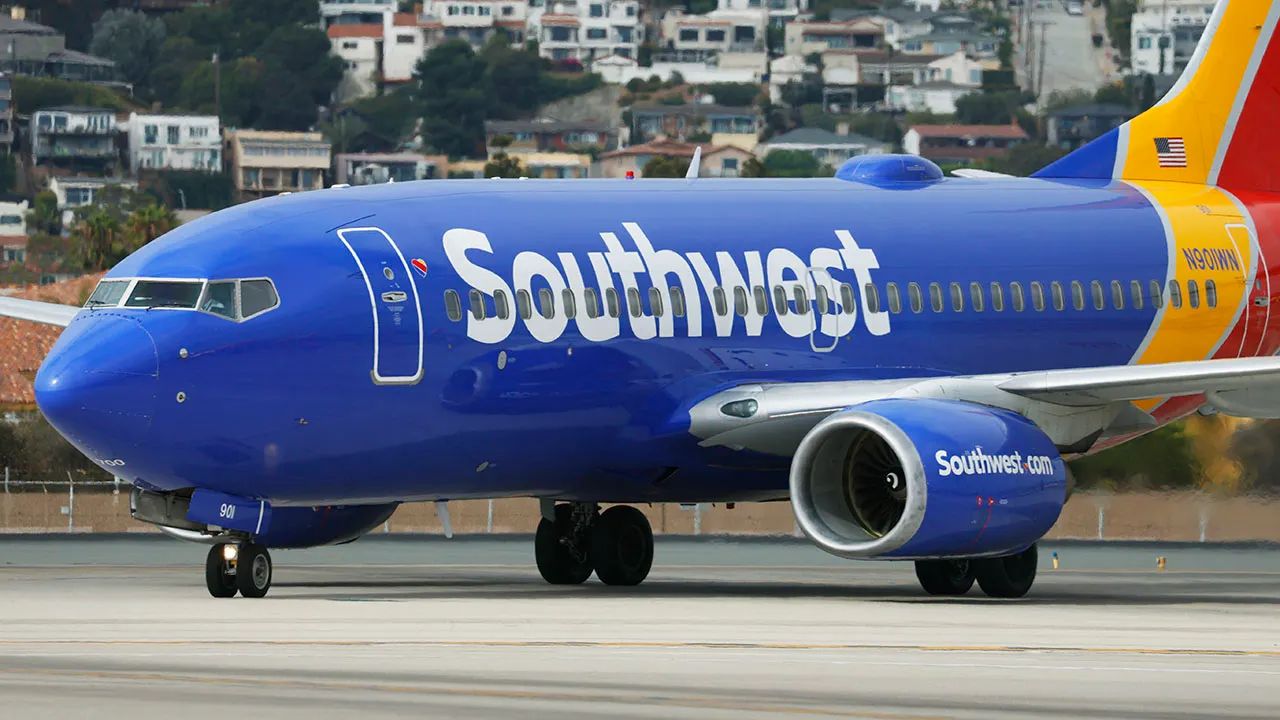
Southwest Airlines built one of the most successful business models in commercial aviation by deliberately avoiding the intense battles that defined much of the US airline industry. Instead of competing head to head with legacy carriers at major hubs the airline focused on underserved city pairs secondary airports and routes where direct competition remained limited. This approach created a powerful structural advantage that allowed Southwest to stimulate new demand maintain pricing power and achieve consistent growth for decades. Industry estimates indicate that Southwest operated without direct nonstop competition on approximately 60 percent of its routes at its peak. That level of market insulation is rare in a highly competitive sector and helped the carrier become the largest domestic airline by passenger volume generating record revenue of 28.1 billion dollars in 2025.
Today that historic advantage is beginning to weaken. Activist investor pressure operational changes and aggressive expansion by both legacy and low cost rivals are reshaping the environment Southwest has long dominated. The airline response including the introduction of assigned seating premium products and bag fees marks one of the most significant strategic shifts in its history. As these changes take hold in 2026 the conditions that once protected many Southwest routes are evolving rapidly creating new challenges and opportunities across the US domestic market.
Southwest Historical Strategy Of Avoiding Direct Competition
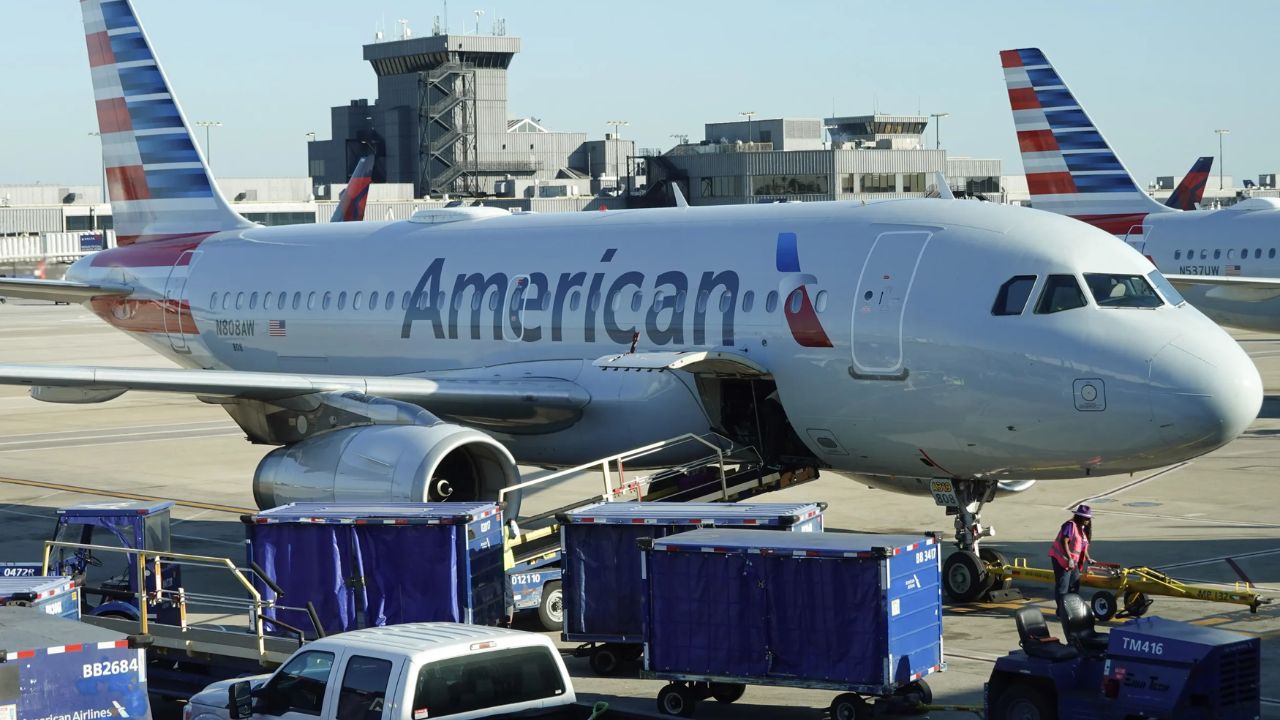
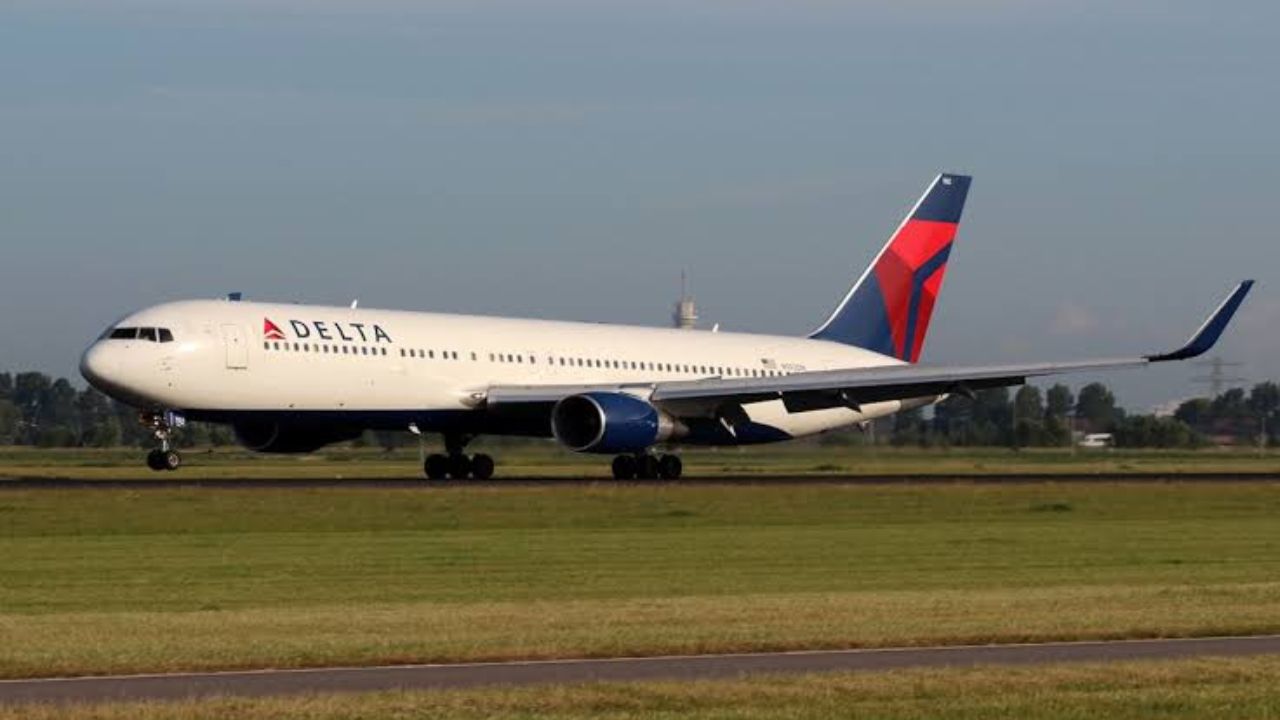
Southwest success stemmed from a deliberate decision to build a point to point network rather than relying on traditional hub and spoke systems. While American Delta and United concentrated operations around major hubs such as Atlanta Dallas Fort Worth and Chicago O Hare Southwest targeted secondary and midsize markets. This allowed the airline to establish strong positions on routes where passengers often had few or no nonstop alternatives. By focusing on city pairs that larger carriers overlooked Southwest created demand where it previously did not exist rather than simply competing for existing travelers.
The benefits of this strategy were substantial. On routes with limited competition airlines generally enjoy greater pricing flexibility because consumers cannot easily switch to another nonstop option. Southwest amplified this advantage through high frequency service and operational efficiency. The airline developed dense networks connecting cities like Baltimore to Orlando or Chicago Midway to Las Vegas creating numerous markets where its presence generated incremental traffic. This reduced exposure to destructive fare wars that often eroded margins at congested hubs. The result was a business model that combined relatively strong profitability with steady expansion.
Route dominance alone does not explain Southwest long term performance. The airline reinforced its network advantage with customer friendly policies that became core to its brand. Free checked bags open seating and a straightforward fare structure created a value proposition that many travelers found appealing. Even when fares were not the absolute lowest passengers frequently viewed the total cost of travel as more transparent and predictable compared with competitors that layered on numerous ancillary fees. This combination of network strength and brand differentiation created a defensive moat that proved difficult for rivals to overcome for many years.
The Activist Driven Transformation Underway
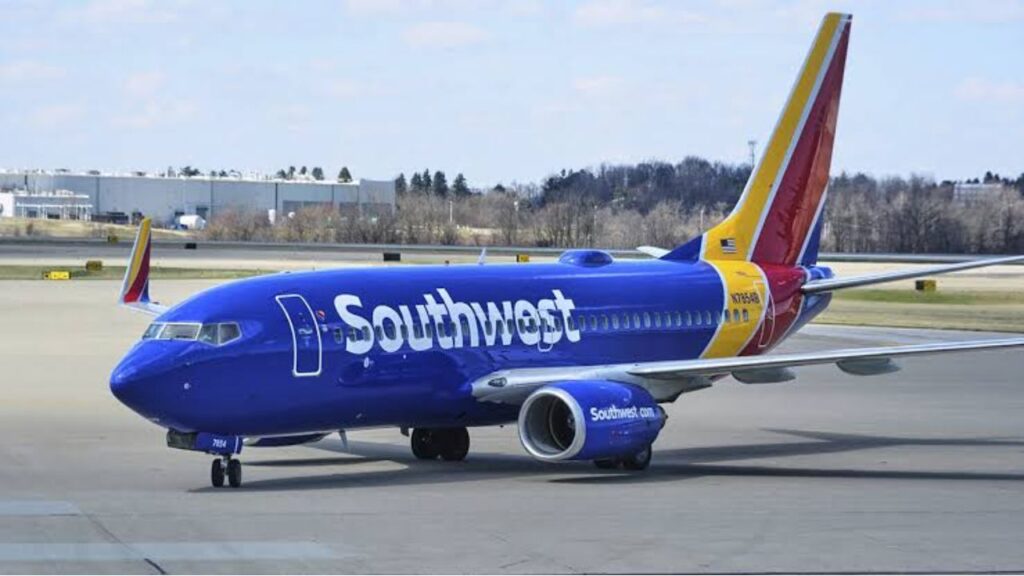
The pressure to change intensified as Southwest financial performance increasingly disappointed investors. Although the airline remained profitable critics argued that management had become too attached to traditions that no longer maximized returns. Activist investor Elliott Investment Management acquired a significant stake and pushed for comprehensive reforms. The resulting overhaul has been sweeping. Southwest announced plans to introduce assigned seating premium seating options checked bag fees and basic economy fares. These changes dismantle policies that had defined the airline for decades.
The financial rationale is clear. Premium seating generates higher yields from passengers willing to pay for extra comfort. Checked bag fees create substantial ancillary revenue. Basic economy allows the airline to compete more effectively on advertised prices while preserving opportunities to upsell. Early results appear promising. Southwest projects adjusted earnings per share of at least 4 dollars for 2026 compared with approximately 0.93 dollars in 2025. First quarter 2026 data showed an 11.2 percent year over year increase in unit revenue supported by stronger upsell performance.
From a financial perspective the transformation seems to be delivering value. Share performance has outperformed many peers and analyst expectations have improved. However the strategic implications extend beyond the balance sheet. By adopting practices long used by competitors Southwest is reducing the differentiation that once protected its market position. When the airline no longer offers free checked bags or open seating the reasons for customer loyalty may shift toward factors where legacy carriers hold advantages such as global networks premium lounges and sophisticated loyalty programs.
Low Cost Challengers Targeting Former Strongholds
While legacy airlines pursue Southwest customers from the premium side newer low cost carriers are attacking from below. Breeze Airways has emerged as a notable threat by expanding into markets that resemble the underserved routes Southwest historically dominated. Rather than focusing exclusively on major hubs Breeze targets city pairs where demand exists but competition has been limited. Southwest recent network announcements show the airline responding directly with four of nine new routes overlapping with Breeze served markets. This represents a departure from Southwest traditional strategy of avoiding head to head competition.
The challenge extends beyond Breeze. Other ultra low cost operators continue refining their ability to stimulate demand through aggressive pricing. Although Southwest cost structure differs from carriers like Frontier consumers increasingly compare options across business models. As Southwest intentionally prioritizes margin over volume by exiting underperforming routes competitors gain opportunities to establish footholds in previously protected markets.
This dual pressure from both legacy and low cost rivals creates a more complex environment than Southwest has faced in decades. The airline still possesses enormous scale brand recognition and a vast domestic network. Yet the structural advantages that insulated many routes are weakening. When product differentiation declines schedule quality airport facilities and international connectivity become more influential in consumer decisions. Legacy carriers hold clear edges in those areas.
The Changing Economics Of The US Domestic Market
Southwest transformation occurs against a backdrop of rising costs across the industry. Fuel prices labor expenses and airport fees continue to climb pressuring all carriers but particularly those operating on thin margins. The loss of Spirit Airlines capacity has already reduced competitive pressure on many routes. With fewer ultra low cost options available the overall market may shift toward moderately higher fares.
Southwest decision to move away from its historic model reflects these realities. By introducing revenue initiatives the airline aims to improve profitability and shareholder returns. The changes may strengthen the balance sheet but they also make the airline more comparable to competitors. Customers who once chose Southwest for its unique policies may now evaluate alternatives more carefully. This evolution could gradually erode the route dominance that served as a cornerstone of Southwest success.
The airline still operates without direct competition on a majority of its routes. That advantage will not disappear overnight. However the combination of internal changes and external competitive pressure suggests that the era of relatively insulated markets is ending. Competitors increasingly view Southwest customers as contestable particularly on routes where the airline no longer offers the same level of differentiation.
Outlook For Southwest And The Broader Industry
Southwest enters 2026 at a critical juncture. The strategic overhaul aims to unlock value that investors have long demanded while adapting to a more competitive landscape. Early financial indicators are encouraging but the longer term test will be whether the airline can maintain its network strength while redefining its customer proposition. The changes may improve margins but they also invite more direct competition on routes that were once relatively protected.
For the US airline industry the developments at Southwest highlight broader trends. Consolidation capacity discipline and revenue diversification are reshaping how carriers compete. As low cost models evolve and legacy airlines refine their own offerings the market is becoming more sophisticated. Passengers may face fewer ultra cheap options but could benefit from improved products and more consistent service.
The coming years will reveal whether Southwest can successfully balance its heritage with the demands of a changing industry. The airline built its success on a unique combination of network strategy and customer friendly policies. As those policies shift competitors see openings that did not exist before. How Southwest navigates this transition will influence not only its own future but also the competitive dynamics across the entire domestic market. For an airline that once seemed uniquely insulated the environment is becoming considerably more challenging and the outcomes will shape air travel for millions of passengers in the years ahead.