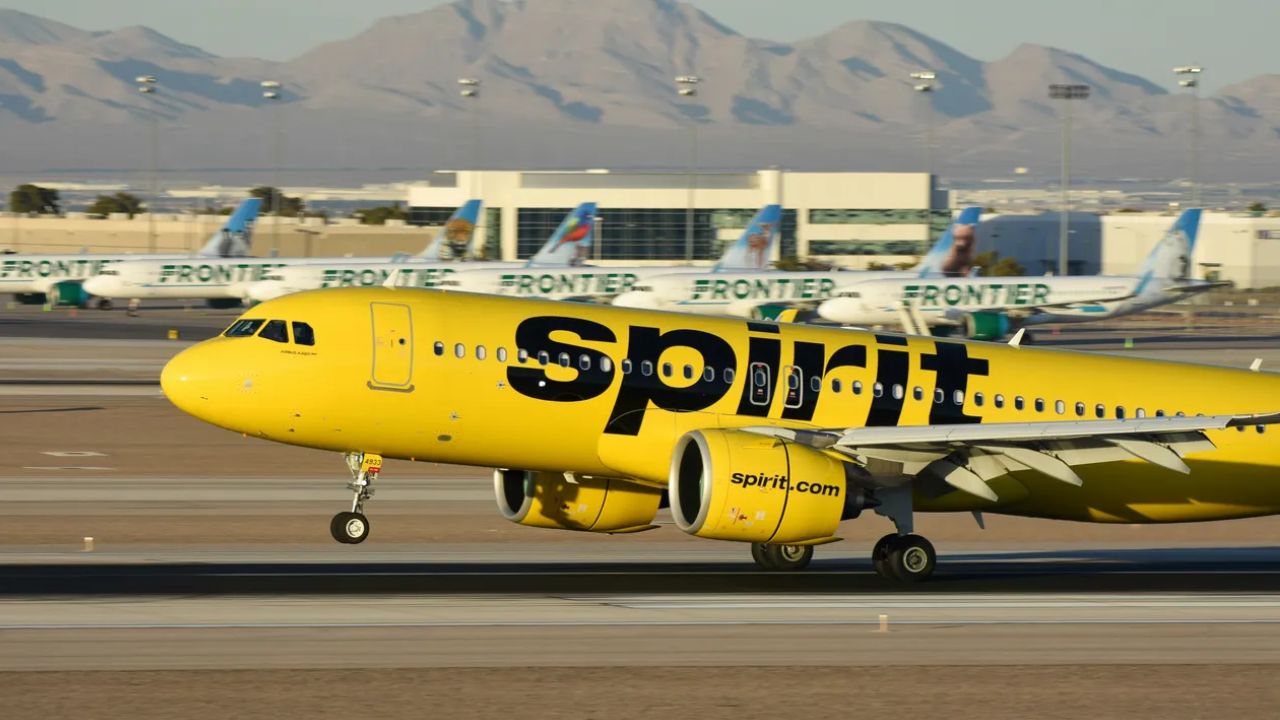
The recent collapse of Spirit Airlines has sparked widespread discussion about the future of affordable air travel in the United States. For more than a decade the carrier played a significant role in keeping domestic fares low through its ultra low cost model. By charging separately for nearly every service Spirit forced competitors to match or beat its headline prices on overlapping routes. With the airline now gone industry analysts warn that the pricing pressure it created may disappear leading to higher average fares for many travelers.
This shift comes at a time when the broader airline industry faces rising costs and capacity constraints. While major carriers continue to expand their networks the loss of Spirit capacity could reduce competition on hundreds of routes. The result according to several reports may be a gradual move away from the era of extremely cheap flights that many Americans had come to expect.
Spirit Airlines Rise As A Pricing Disruptor
Spirit Airlines grew rapidly by focusing on the price sensitive segment of the market. The carrier offered some of the lowest base fares in the industry often undercutting legacy airlines by 30 to 50 percent on the same routes. Passengers paid extra for carry on bags checked luggage seat selection and even water on board. This unbundled approach allowed Spirit to advertise eye catching prices while generating additional revenue from ancillary services.
At its peak in 2024 Spirit carried approximately 44.2 million passengers and generated around 4.8 billion dollars in revenue. The airline operated a fleet of more than 200 aircraft and held roughly 4 percent of the US domestic market making it the seventh largest carrier by passenger volume. Its presence influenced pricing far beyond its own customer base. When Spirit entered a new route or increased frequency larger airlines frequently responded by lowering their own fares to remain competitive.
This competitive dynamic helped keep domestic airfares relatively affordable for years. Leisure travelers in particular benefited from the downward pressure on prices. Even those who never flew Spirit directly often enjoyed lower fares on routes where the carrier operated. The model created a market where exceptionally cheap tickets became normalized for short and medium haul domestic flights.
The Path To Collapse And Shrinking Operations
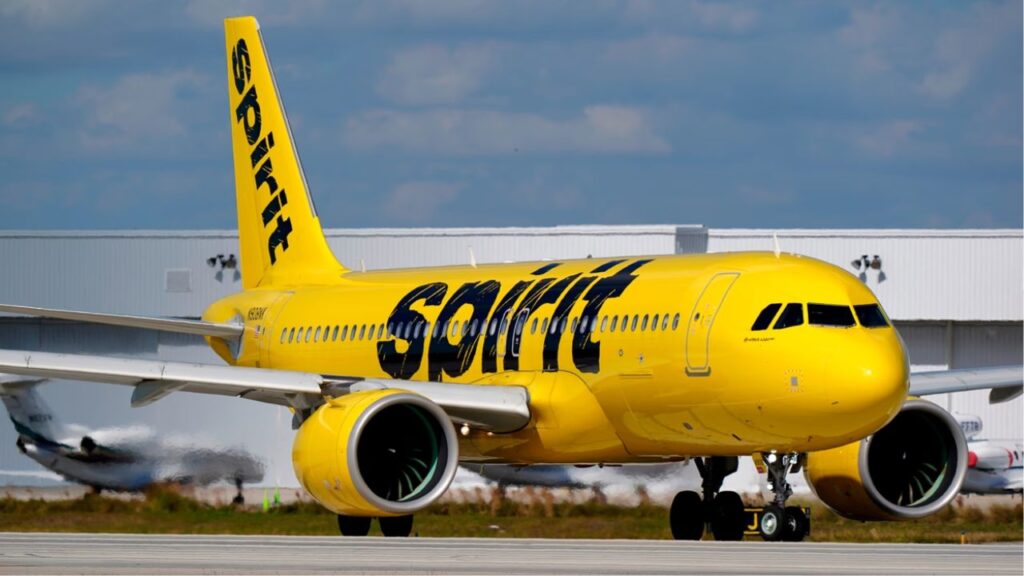
Spirit financial situation deteriorated sharply in recent years. By 2025 annual revenue had fallen to approximately 3.7 billion dollars while passenger numbers dropped to around 32 million. The airline reduced its fleet size significantly as part of restructuring efforts. Mounting losses rising fuel costs and increasing competition from other low cost carriers contributed to the challenges.
The airline filed for bankruptcy protection and ultimately ceased operations entirely. This marked the end of one of the most recognizable ultra low cost brands in the United States. The shutdown removed substantial capacity from the domestic market particularly on leisure focused routes in Florida the Caribbean and the Midwest.
Industry observers note that Spirit challenges reflected broader pressures facing the low cost segment. Fuel prices climbed significantly with US carriers spending about 5.06 billion dollars on jet fuel in March 2026. This represented a 56.4 percent increase from February and roughly 30 percent higher than the same month in 2025. Smaller carriers with thinner margins felt these increases more acutely than larger network airlines.
How Spirit Influenced Pricing Beyond Its Own Flights
Spirit impact on the market extended well beyond the passengers who actually flew with the airline. Research from industry analysts showed that the mere presence of a low cost carrier on a route often reduced average fares by 10 to 20 percent. Larger airlines adjusted pricing strategies to defend market share leading to more competitive offerings across the board.
The loss of this competitive force could allow remaining carriers to maintain higher fares particularly on routes where Spirit had been active. Capacity reductions following the collapse may exacerbate this effect. Estimates suggest that replacing Spirit seats will take time and larger airlines may not fill the gap with equally low prices. The result could be a gradual increase in average ticket prices especially for leisure travel.
Kyle Potter editor of Thrifty Traveler described the situation as potentially marking the start of a new era. He noted that the so called golden age of cheap travel may be ending and that everyday flyers might not welcome the change. While other low cost carriers like Frontier and JetBlue remain active they may face similar cost pressures limiting their ability to sustain ultra low fares.
Fuel Costs And Challenges For Remaining Low Cost Carriers
Rising fuel prices represent a major headwind for the low cost segment. Unlike major network airlines which benefit from hedging international routes and premium cabins many budget carriers rely heavily on high volume domestic operations. When fuel costs spike their thin margins come under immediate pressure.
The Department of Transportation data shows how quickly expenses can rise. Carriers spent significantly more on jet fuel in early 2026 compared to the previous year. For airlines operating on razor thin profits these increases often lead to higher ancillary fees or base fare adjustments. The collapse of Spirit has reduced overall capacity which in some cases allows remaining operators to raise prices without losing as much market share.
Frontier and JetBlue have attempted to absorb some of Spirit former routes but they face their own constraints. Fleet utilization labor costs and airport fees all influence their ability to maintain the lowest possible fares. Without the same level of aggressive pricing pressure from a carrier like Spirit the overall market may shift toward moderately higher prices.
What This Means For American Travelers
The potential end of ultra cheap flying could change how many Americans travel. Leisure travelers who relied on last minute deals or extremely low fares may need to adjust expectations. Families and budget conscious passengers might face higher costs for domestic trips particularly during peak seasons.
However the picture is not entirely negative. Major airlines continue to expand their networks and competition among remaining carriers should prevent prices from rising unchecked. Loyalty programs credit card perks and off peak travel can still help reduce costs. The industry may also see new entrants or existing low cost airlines evolve to fill some of the gap left by Spirit.
For now the collapse serves as a reminder that the economics of air travel remain sensitive to fuel prices operational costs and competitive dynamics. The era of consistently ultra low fares may be transitioning toward a more balanced market where prices reflect actual operating realities more closely.
The loss of Spirit also highlights the importance of a healthy low cost segment for keeping overall fares reasonable. As the industry consolidates and costs rise maintaining competition will be essential to protect consumer interests. Regulators and policymakers may need to monitor route consolidation to ensure travelers retain access to affordable options.
In the coming months analysts will watch closely to see how fares trend on former Spirit routes. Early indications suggest modest increases but sustained higher fuel prices or capacity constraints could accelerate the shift. For American travelers the Spirit Airlines story may mark the beginning of a new chapter in domestic aviation where cheap flights become less common but options for comfortable and reliable travel remain strong.
The airline industry continues to evolve and while the ultra low cost model that Spirit championed may diminish other carriers will likely adapt to meet demand. The coming years will determine whether affordable flying remains accessible for most Americans or becomes a more occasional luxury. For now the disappearance of one of the country most aggressive discounters serves as a turning point worth watching closely.