Military airspace corridors represent some of the most heavily used flight paths on the planet. These routes support training exercises operational deployments and strategic deterrence missions for air forces around the world. In 2026 the busiest corridors reflect ongoing geopolitical tensions large scale training programs and the global reach of major military powers. While exact sortie numbers remain classified for security reasons public flight tracking data historical trends and official military reports allow for reliable estimates of daily activity levels.
This ranking identifies the five busiest military airspace corridors based on approximate daily flight volumes. It considers factors such as permanent bases training ranges operational deployments and regional conflicts. From high tempo training zones in the United States to strategically vital areas in Asia and the Middle East these corridors demonstrate the scale and intensity of modern military aviation.
The Mid Atlantic Air Bridge With Over 50 Daily Flights
The transatlantic corridor connecting the eastern United States to Europe remains one of the most consistently busy military routes. Anchored by Dover Air Force Base in Delaware on one end and Ramstein Air Base in Germany on the other this path supports a steady flow of strategic airlift and combat support missions.
Aircraft such as the Lockheed C 5 Galaxy and Boeing C 17 Globemaster III regularly transit this route carrying troops equipment and humanitarian supplies. Strategic bombers including the Boeing B 52 Stratofortress and Northrop Grumman B 2 Spirit also use these tracks during deployments or long range missions. Fighter aircraft occasionally join the flow when transferring between bases or participating in exercises.
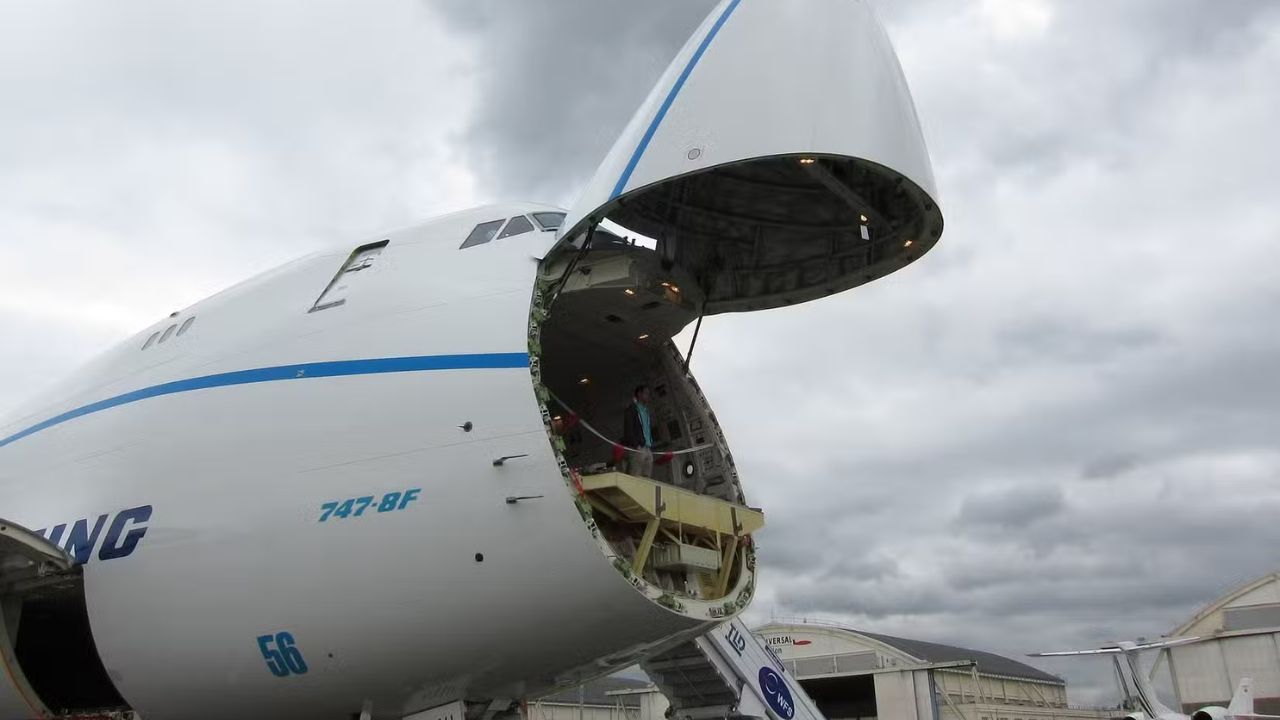
The corridor sees additional activity from privately contracted cargo flights operating Boeing 747 freighters to support overseas operations. Diplomatic missions and intelligence gathering flights further increase traffic. Activity levels rise significantly during major deployments or international crises but even during routine periods the corridor handles more than 50 military flights daily. Its importance stems from the United States extensive network of bases in Europe and the need to maintain rapid reinforcement capabilities across the Atlantic.
Ukraine And Eastern European Border With Over 50 Daily Flights
The airspace along the Ukraine border and broader Eastern Europe has experienced sustained high activity since the conflict began in 2022. Both Russian and Ukrainian forces conduct frequent sorties for strike support and surveillance while NATO members maintain heightened air policing missions.
The North Atlantic Treaty Organization performs hundreds of quick reaction alert scrambles annually with many occurring over the Baltics and North Sea. United States and allied intelligence aircraft such as the RC 135 Rivet Joint and E 3 Sentry AWACS operate regularly in the region gathering critical data and monitoring activities. These missions contribute to the steady flow of traffic that often exceeds 50 flights per day.
The corridor serves multiple purposes including deterrence air policing and support for ground operations. While exact numbers for combatant forces remain restricted the visible increase in NATO activity since the invasion highlights the corridor strategic significance. Civilian aviation largely avoids these areas due to safety concerns leaving the skies dominated by military operations.
The Persian Gulf With Over 100 Daily Flights
The Persian Gulf region consistently ranks among the busiest military airspace corridors due to longstanding tensions and the presence of multiple international forces. United States Central Command maintains a robust footprint with aircraft operating from bases in Qatar and the United Arab Emirates.
Fighter jets such as the Boeing F 15 Eagle and Lockheed Martin F 16 Fighting Falcon conduct regular patrols and strike missions. Stealth bombers including the B 2 Spirit have operated in the theater for precision strikes. The corridor also sees extensive unmanned aerial vehicle activity and support aircraft for intelligence and refueling missions.
Since the escalation of conflicts in early 2026 military flight volumes have surged past 100 daily operations. The region strategic importance for energy security and regional stability ensures continuous high tempo activity. Coalition partners and local air forces add to the density creating one of the most complex and monitored airspace environments in the world.
Taiwan Strait And East China Sea With Over 100 Daily Flights
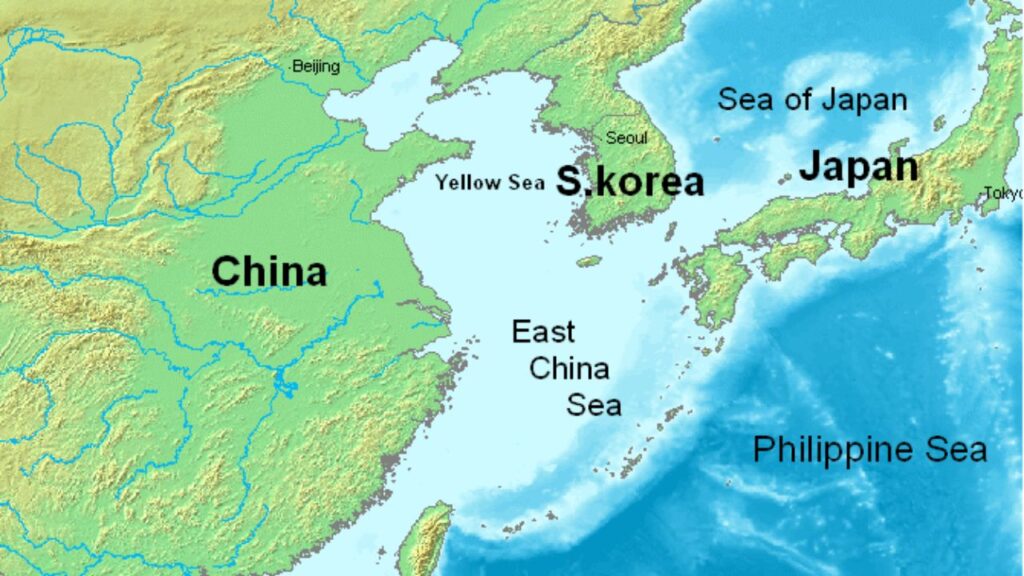
The airspace around the Taiwan Strait and East China Sea has become increasingly congested as China conducts frequent military drills and patrols. The People’s Liberation Army Air Force and Naval Aviation units fly hundreds of sorties monthly asserting claims over disputed territories and demonstrating capabilities.
Fifth generation Chengdu J 20 fighters and other advanced aircraft regularly operate in the area often crossing into sensitive zones near Taiwan Japan and the Philippines. Carrier based aircraft from Chinese naval groups further increase activity levels. The United States and its allies respond with their own patrols and freedom of navigation missions contributing to the overall traffic volume that regularly exceeds 100 flights per day.
This corridor represents a potential flashpoint in great power competition. The high volume of military operations requires careful deconfliction to avoid incidents while both sides gather intelligence and demonstrate resolve. The combination of fighter patrols bomber flights and unmanned systems makes this one of the most dynamic military airspace regions globally.
Southeast United States Flight Training Corridor With Over 250 Daily Flights
The airspace over the southeastern United States particularly around the Florida Panhandle and Mississippi Alabama region stands as the busiest military corridor in the world. This area hosts the highest concentration of flight training activities anywhere with multiple bases supporting initial pilot training and advanced combat preparation.
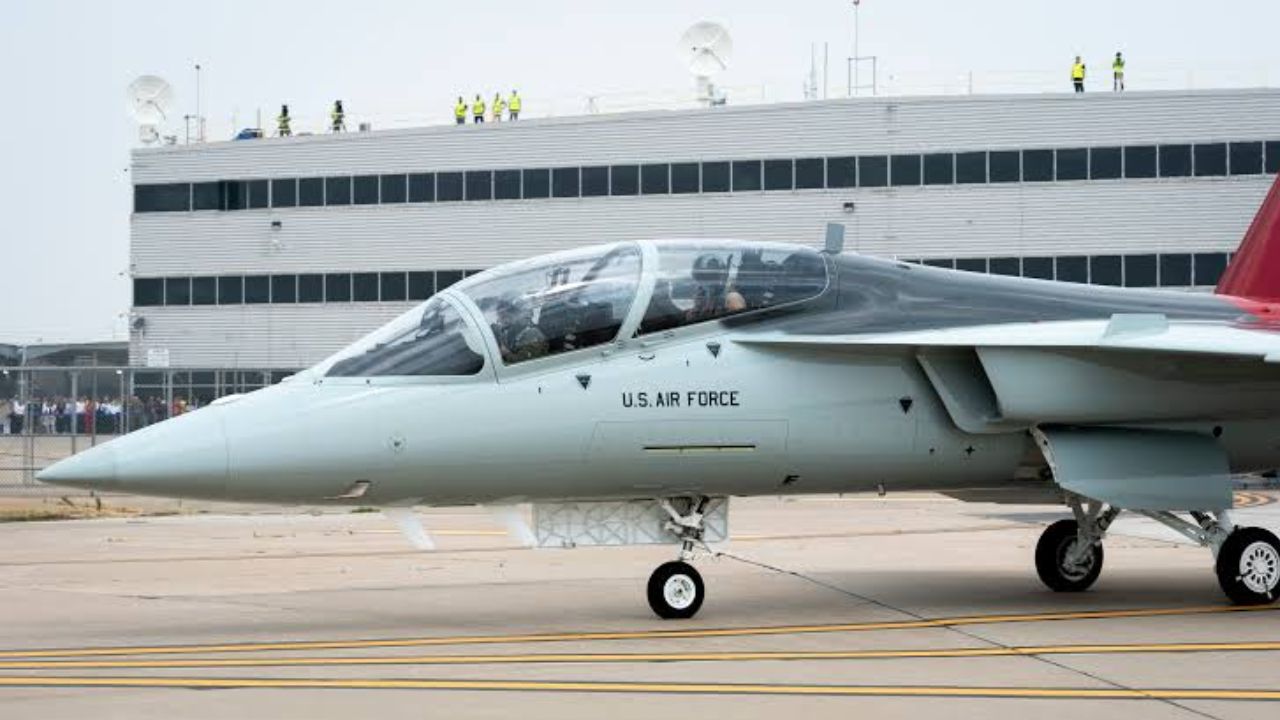
Columbus Air Force Base and Whiting Field serve as primary hubs for undergraduate pilot training operating fleets of T 6 Texan II T 38 Talon and T 1 Jayhawk aircraft. Naval Air Station Pensacola and nearby facilities train hundreds of Navy Marine Corps and Coast Guard aviators. Eglin Air Force Base adds significant activity with test flights and operational units flying F 35 Lightning II and C 130 Hercules aircraft.
The corridor benefits from favorable weather more than 300 flyable days per year and vast restricted airspace over the Gulf of Mexico. Student pilots and instructor crews generate well over 250 daily sorties as they practice basic maneuvers advanced tactics and weapons employment. The density of training traffic requires sophisticated scheduling and deconfliction but the region infrastructure supports this volume effectively.
The table below summarizes the five busiest military airspace corridors in 2026.
| Rank | Corridor | Approximate Daily Flights | Primary Activity |
|---|---|---|---|
| 1 | Southeast US Flight Training | 250 plus | Pilot training and weapons testing |
| 2 | Taiwan Strait East China Sea | 100 plus | Patrols and drills |
| 3 | Persian Gulf | 100 plus | Combat support and deterrence |
| 4 | Ukraine Eastern Europe | 50 plus | Air policing and intelligence |
| 5 | Mid Atlantic Air Bridge | 50 plus | Strategic airlift and deployments |
These corridors illustrate the global scope of military aviation. Training areas in the United States generate the highest daily volumes while strategically contested regions see intense operational activity. Understanding these patterns provides insight into how nations project power prepare forces and respond to security challenges.
The busiest corridors often align with either high demand training environments or areas of geopolitical tension. As technology advances and threats evolve the use of these airspace routes will continue to shape military strategy and international relations. For aviation enthusiasts and defense observers these corridors offer a window into the scale and complexity of modern air operations worldwide.