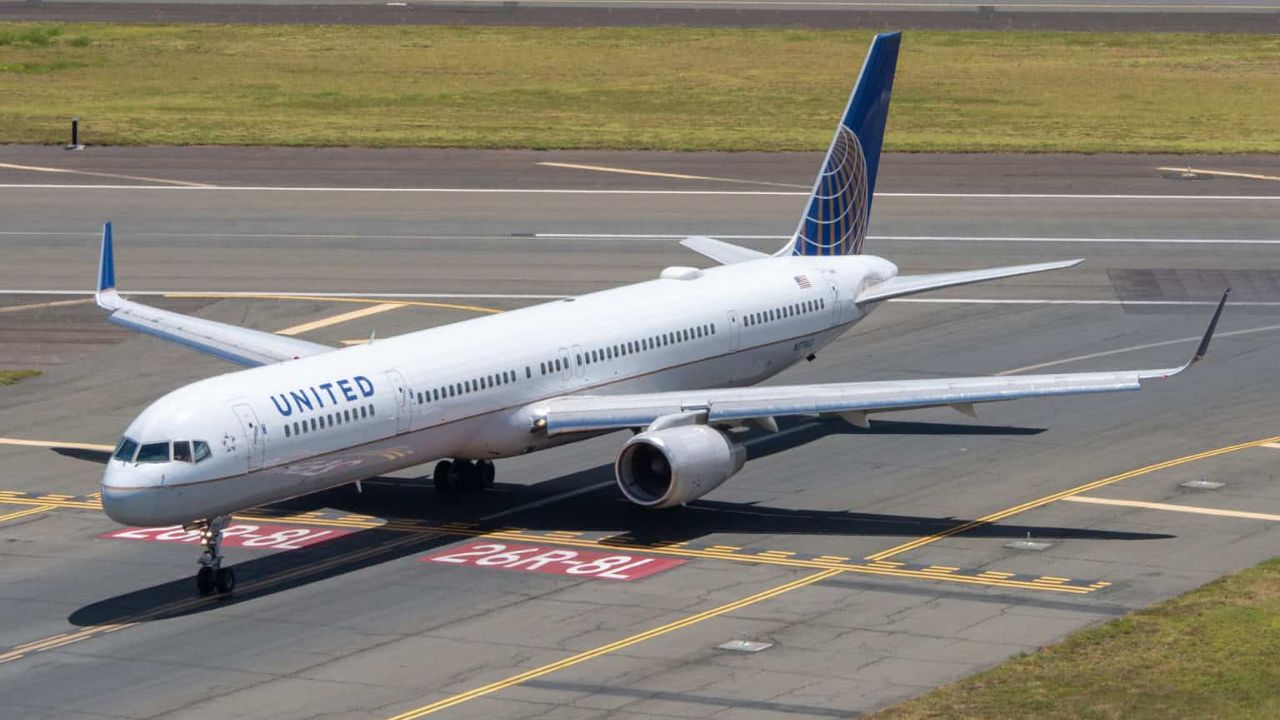
The Boeing 757 family achieved remarkable success overall but one variant stands out for its limited production run. The 757-300 became the longest single aisle commercial jet Boeing ever built yet the manufacturer delivered only 55 examples. This stretched version promised greater capacity for high demand leisure routes but faced significant operational and economic challenges that limited its appeal. Airlines ultimately favored other options leading to a short production life despite the aircraft technical strengths.
The 757 program began in the late 1970s as Boeing sought to replace the aging 727 with a more efficient narrowbody design. The 757-200 proved highly popular offering excellent performance on short runways hot and high airports and long thin routes. When German leisure carrier Condor requested more capacity in the mid 1990s Boeing responded with a simple stretch of the existing design rather than a clean sheet aircraft. This decision kept development costs low but created compromises that ultimately restricted the 757-300 market success.
The Development And Design Of The 757-300
Boeing launched the 757-300 in 1996 specifically to meet Condor needs for lower cost per seat on Mediterranean and Canary Islands routes. The solution involved extending the fuselage by more than 23 feet compared to the 757-200. This added length increased passenger capacity significantly while reusing the existing wing engines and systems to control costs.
The 757-300 measures 178 feet 7 inches long compared to 155 feet 3 inches for the 757-200. In a typical two class configuration it seats up to 243 passengers with exit capacity reaching 295 in high density layouts. The aircraft maximum takeoff weight rose to 272000 pounds versus 255000 pounds for the 757-200 requiring more powerful engine options in some cases.
Despite the stretch the 757-300 retained the same wingspan of 124 feet 8 inches and wing area of 1995 square feet. This design choice preserved short field performance but introduced aerodynamic and structural inefficiencies. The longer fuselage shifted the center of gravity and increased the risk of tail strikes during rotation and landing. Boeing addressed this with a retractable tail skid and pitch attitude protection systems.
The table below compares key specifications of the two main 757 variants.
| Specification | Boeing 757-200 | Boeing 757-300 |
|---|---|---|
| Length | 155 feet 3 inches | 178 feet 7 inches |
| Typical Seating | 200 passengers | 243 passengers |
| Exit Capacity | 239 passengers | 295 passengers |
| Maximum Takeoff Weight | 255000 pounds | 272000 pounds |
| Range | 3900 nautical miles | 3395 nautical miles |
| Engines | Various Pratt & Whitney Rolls-Royce | Similar with higher thrust options |
These differences highlight the trade-offs Boeing accepted to deliver more seats without a full redesign.
Operational Challenges That Limited Appeal
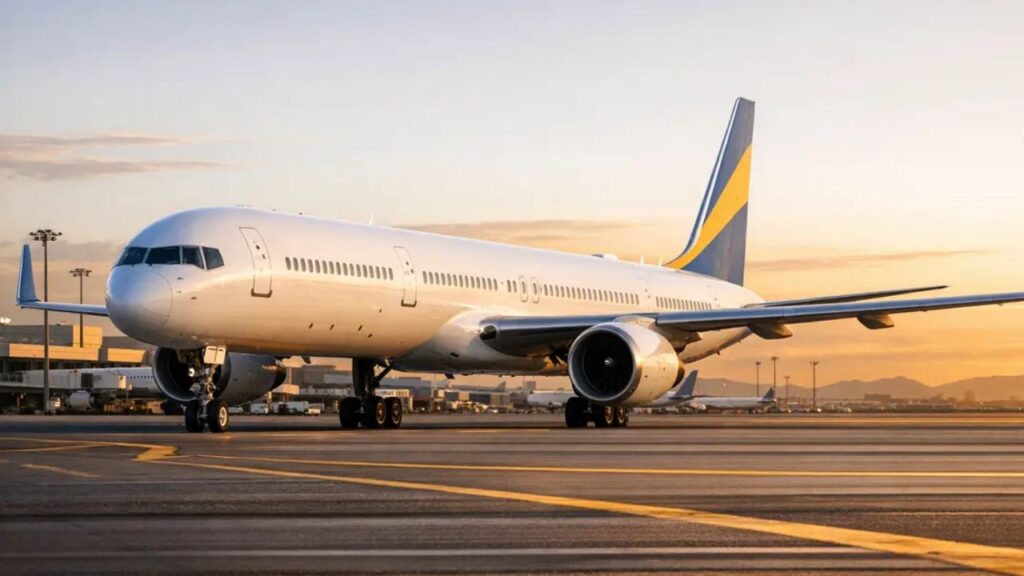
The 757-300 entered service in March 1999 with Condor but struggled to attract widespread orders. The stretched fuselage created several practical problems for airlines. Boarding and deplaning took longer due to the single aisle and only two main doors despite higher passenger counts. Tests during certification showed an eight minute increase in turnaround time compared to the 757-200. For leisure and low cost carriers where high utilization is critical this added time reduced daily flight cycles and revenue potential.
Takeoff and climb performance also suffered. The 757-200 is famously overpowered for its size allowing excellent hot and high operations. The heavier 757-300 felt more sluggish during initial climb reducing its flexibility on challenging runways. Range decreased to 3395 nautical miles making it less suitable for longer routes where the 757-200 excelled.
Tail strike risks required additional pilot training and procedural safeguards. While Boeing engineering solutions mitigated the issue the longer aircraft demanded more precise handling particularly during landing flare. These factors made the 757-300 less attractive to operators seeking operational simplicity and maximum versatility.
Market timing also played a role. By the late 1990s airlines were increasingly interested in next generation aircraft with better fuel efficiency and lower maintenance costs. The Airbus A321 offered strong competition in the 200 seat segment while Boeing focused resources on the 737 Next Generation family. Only a handful of carriers including Condor Arkefly and later Delta and United opted for the 757-300.
Current Operators And The 757-300 Legacy
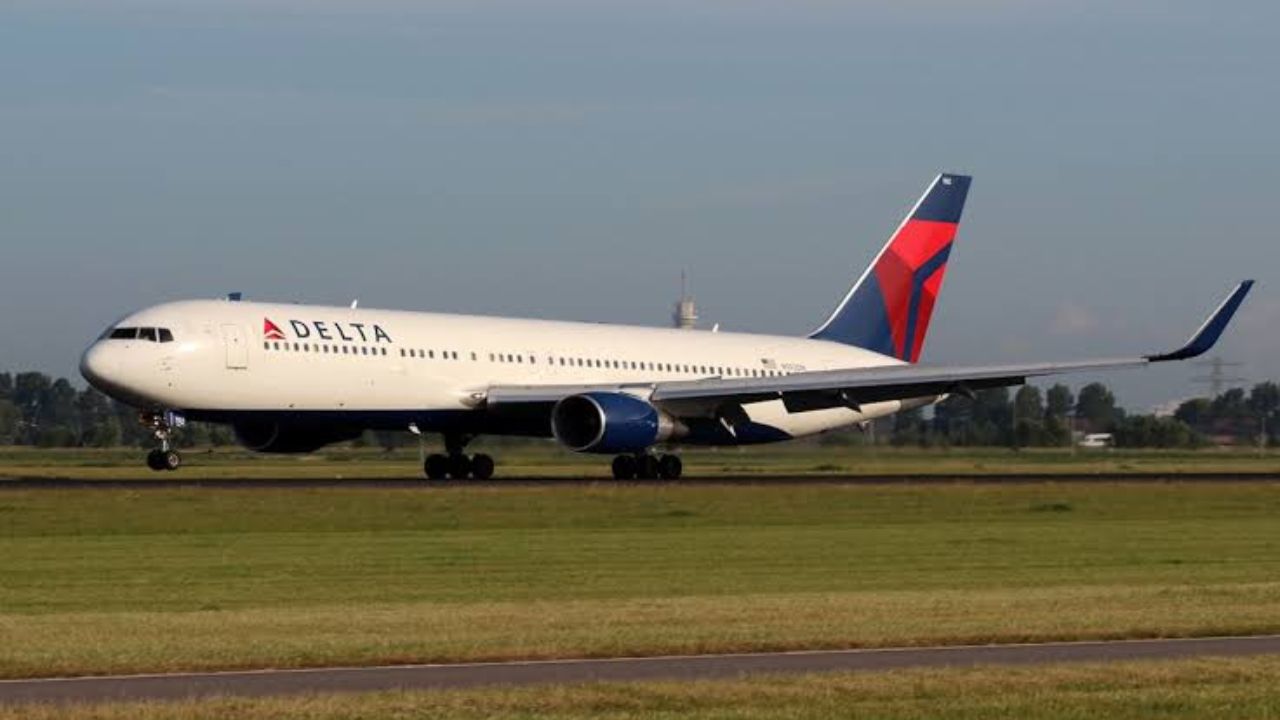
Today only a few airlines still operate the 757-300. United Airlines flies 21 examples inherited from Continental while Delta Air Lines operates 16 acquired through Northwest. Both fleets average over 20 years old and face rising maintenance costs as the aircraft approach retirement age.
United and Delta are actively replacing their 757s with modern alternatives. The Airbus A321XLR serves as the closest replacement for longer routes while the Boeing 737 MAX 10 handles domestic and short haul sectors. Icelandair accelerated retirement of its 757 fleet citing high fuel prices and is transitioning to A321XLR aircraft.
The limited production run of 55 aircraft means the 757-300 remains a rare sight compared to over 1000 757-200s built. Its legacy lives on through the operational lessons it provided Boeing about the limits of simple fuselage stretches. The experience influenced later designs emphasizing balanced performance rather than maximum capacity alone.
The table below shows current passenger operators of the 757-300 as of mid 2026.
| Airline | Number Of 757-300 Aircraft | Average Age |
|---|---|---|
| United Airlines | 21 | 21.8 years |
| Delta Air Lines | 16 | 23.4 years |
Smaller operators and cargo conversions account for the remaining airframes but the type days in front line passenger service are numbered.
Lessons From The 757-300 Program
Boeing decision to stretch the 757-200 kept development costs low and delivered the aircraft Condor requested but the compromises proved too significant for broad market acceptance. The 757-300 demonstrated that simply adding length without corresponding improvements in wings engines or systems can create operational disadvantages that outweigh capacity gains.
This experience shaped Boeing approach to later narrowbody programs. The 737 MAX family focused on efficiency and commonality rather than extreme stretches. Airbus learned similar lessons with the A321XLR which balances capacity range and performance more effectively than the 757-300 could.
The 757-300 remains an interesting footnote in aviation history. It achieved the title of longest single aisle jet but never found the broad customer base needed for large scale production. Its rarity today makes it a notable aircraft for enthusiasts while its operational challenges provide valuable engineering insights for modern designers.
For airlines the 757-300 served specific niche markets effectively particularly leisure routes with consistent high demand. Its powerful engines and strong short field performance still impress on challenging sectors but the overall economics favored other types in most cases.
As the remaining 757-300s retire the program stands as a reminder that aircraft success depends on more than size or capacity. Balance across performance economics and operational flexibility ultimately determines market acceptance. Boeing learned from the 757-300 and applied those lessons to create more versatile and successful designs in subsequent generations.
The 757 family as a whole remains one of Boeing most capable narrowbodies with the 757-200 continuing strong service in cargo and specialized roles. The -300 variant brief production run highlights the careful trade-offs required in commercial aircraft development where technical achievements do not always translate into commercial triumph. Its story continues to inform how manufacturers approach derivative aircraft programs balancing innovation with practical market realities.