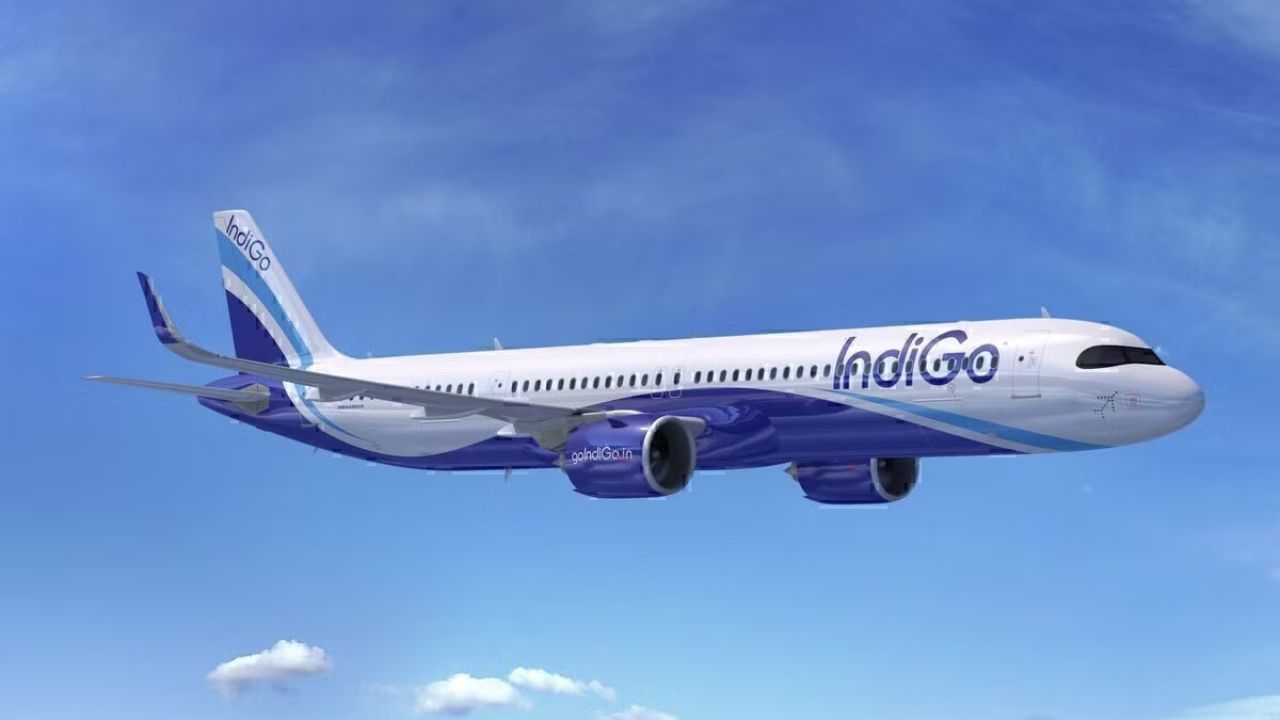
India’s largest airline is preparing for a major international expansion with the launch of two new nonstop routes to Bali. IndiGo will soon connect both Delhi and Mumbai directly to Indonesia’s popular holiday destination using its brand-new Airbus A321XLR aircraft, eliminating the need for passengers to make a stop along the way.
The new services mark an important milestone not only for IndiGo but also for Indian aviation. With flight times approaching eight hours, the routes will become some of the airline’s longest narrowbody operations and showcase the growing capabilities of the Airbus A321XLR. For travelers heading to Bali, the biggest advantage is simple: less time spent in airports and more time enjoying one of Asia’s most visited destinations.
IndiGo’s Upcoming Bali Routes
| Route | Aircraft | Estimated Flight Time |
|---|---|---|
| Delhi (DEL) – Bali (DPS) | Airbus A321XLR | Up to 7 Hours 55 Minutes |
| Mumbai (BOM) – Bali (DPS) | Airbus A321XLR | Up to 7 Hours 55 Minutes |
Why Bali Matters for IndiGo
Bali has emerged as one of the most popular international destinations for Indian travelers over the past few years. The Indonesian island attracts honeymooners, families, luxury travelers, digital nomads, and adventure seekers throughout the year.
Until now, IndiGo relied on one-stop services using its Airbus A320neo fleet to maintain connectivity to the destination. While effective, those flights required additional transit time and operational complexity. A nonstop flight changes the entire travel experience. Passengers can now reach Bali more quickly while avoiding the inconvenience of connecting airports, making the route significantly more attractive for both leisure and business travelers.
The Airbus A321XLR Is Changing the Game
The launch also highlights why airlines around the world are excited about the Airbus A321XLR. Designed specifically for long-range operations, the aircraft can fly approximately 8,700 kilometers (4,700 nautical miles), allowing airlines to serve routes that previously required larger widebody aircraft.
For IndiGo, this creates a significant opportunity. Instead of deploying a Boeing 787 or Airbus A330 with hundreds of seats, the airline can operate thinner international routes more efficiently while maintaining nonstop connectivity.
A More Comfortable Cabin
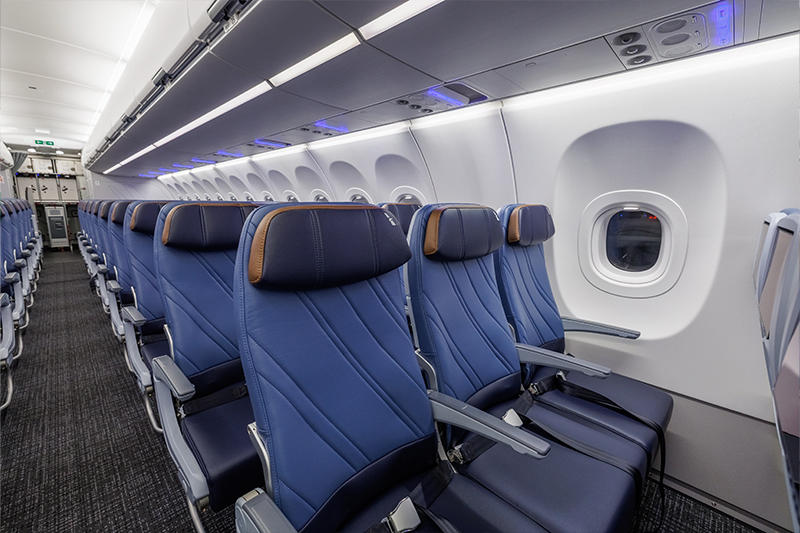
Unlike many of IndiGo’s high-density aircraft, the A321XLR has been configured with passenger comfort in mind.
IndiGo A321XLR Configuration
| Cabin | Seats |
| Stretch (Premium) | 12 |
| Economy | 183 |
| Total Capacity | 195 |
The reduced seat count compared to some of IndiGo’s standard A321 aircraft allows for additional fuel capacity and improved passenger comfort during longer flights. For journeys approaching eight hours, this becomes increasingly important.
Part of a Much Bigger International Plan
The Bali announcement is only one piece of IndiGo’s broader international strategy. The airline currently operates more than 2,200 daily flights across 141 destinations and remains India’s largest carrier by market share. However, management has made it clear that future growth will increasingly come from international markets.
IndiGo has already identified Europe, Southeast Asia, and East Asia as key expansion regions. To support these ambitions, the carrier has ordered 40 Airbus A321XLR aircraft, with several deliveries expected during 2026.
Longer Flights Already Underway
Interestingly, Bali may not remain IndiGo’s longest A321XLR route. The airline’s recently launched services to Athens and Istanbul are expected to generate even longer block times, particularly because of ongoing airspace restrictions in parts of West Asia.
Modern airline route planning has become increasingly complex as geopolitical tensions, airspace closures, weather patterns, and operational limitations force carriers to fly longer routes than originally planned. In comparison, Bali benefits from relatively straightforward routing through Southeast Asian airspace, making it one of the more operationally efficient long-haul destinations in IndiGo’s growing network.
Why Airlines Love the A321XLR
The A321XLR is rapidly becoming one of the most important aircraft in commercial aviation. Its biggest advantage is flexibility. Instead of committing a large widebody aircraft to a new destination, airlines can test demand with a smaller and more economical narrowbody jet. If the route performs well, capacity can later be increased.
This lower-risk approach is particularly valuable in emerging international markets where passenger demand is still developing. For IndiGo, the aircraft serves as a bridge between regional operations and a truly global network.
Could International Flights Become IndiGo’s Biggest Growth Driver?
The airline has indicated that international routes could account for nearly 40% of its overall network by 2030. That would represent a dramatic shift for a carrier that built its reputation on domestic connectivity within India. Routes such as Bali, Athens, and Istanbul will play a crucial role in determining whether that vision becomes reality.
If passenger demand remains strong, the Airbus A321XLR could become the aircraft that transforms IndiGo from a dominant domestic airline into a major international aviation player.
Final Thoughts
IndiGo’s decision to launch nonstop Bali flights from Delhi and Mumbai represents far more than the addition of two new routes. It signals the airline’s growing confidence in long-haul narrowbody operations and its ambitions beyond the Indian market.
For passengers, the move means faster and more convenient travel to one of Asia’s most sought-after destinations. For IndiGo, it is another step toward building a larger international footprint powered by one of the aviation industry’s most capable new aircraft. As more A321XLRs join the fleet over the coming years, travelers can expect even more nonstop international destinations from India’s largest airline.