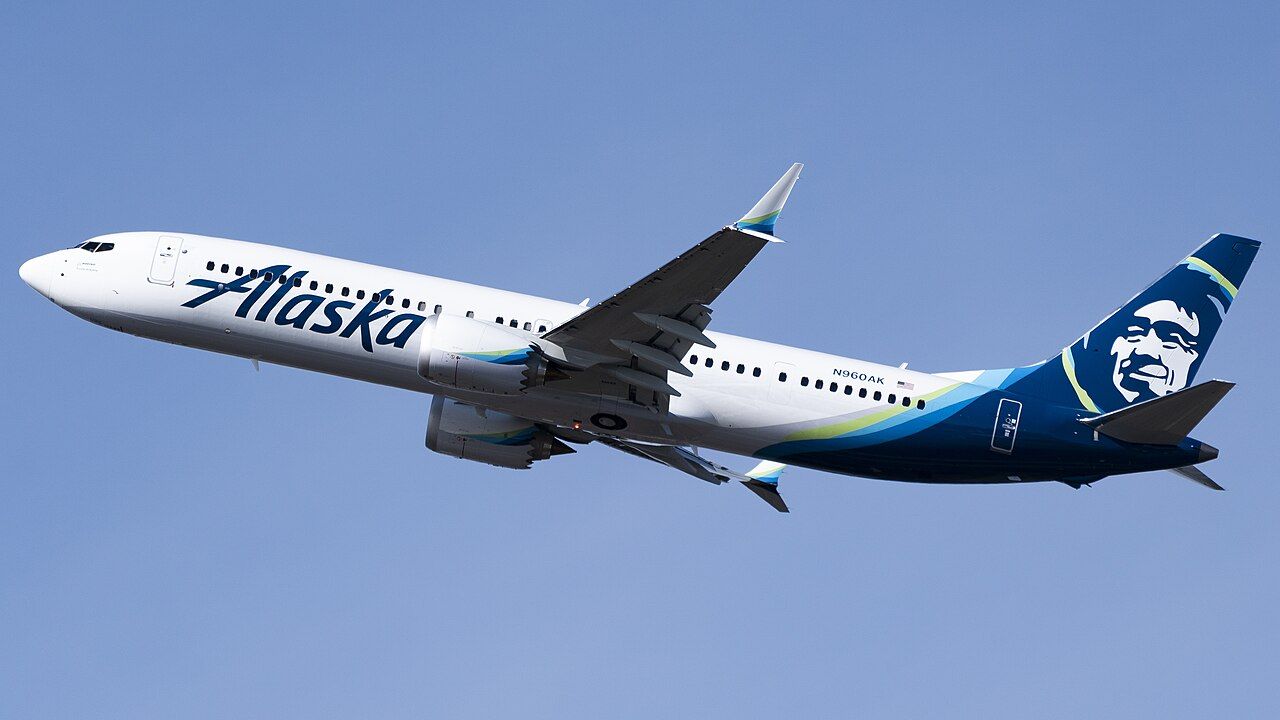
Alaska Air Group is evaluating a straightforward approach to modernizing Hawaiian Airlines interisland operations by deploying its existing Boeing 737-800 aircraft. This strategy would replace the carrier aging Boeing 717 fleet that has long served as the backbone of short hop flights between the Hawaiian islands. The move aligns with broader goals of fleet simplification and operational efficiency following the merger of the two airlines.
Shane Tackett president of Alaska Airlines and former chief financial officer of the group described the 737 as the default option at this stage. He noted during discussions at the IATA Annual General Meeting that the aircraft represent the most likely solution for replacing the 717s. While the transition is not immediate and the 717 remains a reliable workhorse the direction signals a preference for leveraging existing assets rather than introducing an entirely new aircraft type.
Hawaiian Interisland Network And The Role Of The Boeing 717
Hawaiian Airlines built its interisland operation around the Boeing 717. The aircraft typically seats between 106 and 128 passengers with a maximum capacity around 134. Its range of approximately 2060 nautical miles suits the short sectors between islands where flight times often range from 25 to 45 minutes. The 717 offers quick turnaround capabilities and right sized capacity for high frequency service on routes like Honolulu to Kahului or Lihue.
However the fleet is aging and maintenance costs are rising. As the aircraft approach the end of their economic life Alaska Air Group must decide how to sustain reliable interisland connectivity. The 717 has performed well in the tropical climate and demanding schedule but finding modern replacements that match its mission profile exactly has proven challenging.
Why The Boeing 737-800 Emerges As The Leading Candidate
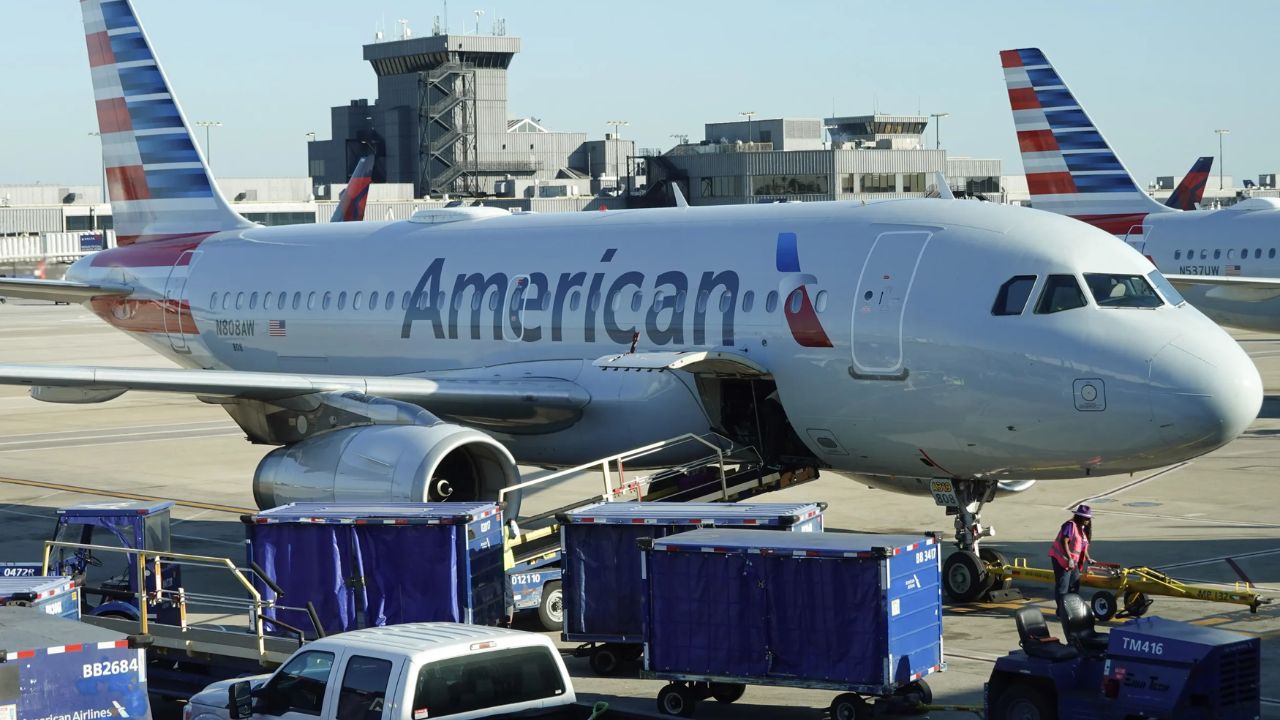
Alaska Airlines already operates a large fleet of Boeing 737-800 aircraft. Using these for interisland routes would create significant commonality benefits across the combined airline. Common fleets simplify pilot training maintenance programs spare parts inventory and overall operational complexity. These advantages can translate into lower long term costs and greater flexibility.
A 737-800 typically seats between 160 and 189 passengers depending on configuration. This represents a substantial increase in capacity compared to the 717. The aircraft also offers a longer range of 2935 to 3115 nautical miles making it capable of handling interisland sectors with room to spare. Alaska already operates ETOPS certified 737s on routes between Hawaii and the US mainland providing valuable experience with the type in Hawaiian conditions.
Southwest Airlines demonstrates that larger narrowbody aircraft can succeed on interisland routes. The carrier deploys Boeing 737 MAX 8 aircraft on popular sectors including Honolulu to Kahului. This real world example shows that capacity increases do not necessarily create insurmountable challenges if demand supports higher passenger volumes.
The table below compares key specifications of the Boeing 717 and Boeing 737-800.
| Aircraft Type | Typical Seating | Maximum Range (nautical miles) | Key Advantages For Interisland |
|---|---|---|---|
| Boeing 717 | 106 to 128 | 2060 | Quick turns right sized capacity |
| Boeing 737-800 | 160 to 189 | 2935 to 3115 | Fleet commonality greater payload |
This size difference requires careful route planning. Larger aircraft spread costs over more seats but risk flying with excess capacity on lighter routes. Alaska will need to balance frequency and load factors to maintain service quality.
Operational And Strategic Benefits Of Fleet Commonality
Maintaining a unified fleet brings multiple advantages for Alaska Air Group. Pilots can transition more easily between aircraft types reducing training time and improving crew scheduling. Maintenance teams work with familiar systems lowering the need for specialized tooling and expertise. Spare parts inventories become more efficient and aircraft utilization rates can improve across the network.
For Hawaiian interisland service the 737 would provide operational resilience. If a 717 requires unscheduled maintenance a 737 could step in with minimal disruption. The larger aircraft also offers growth potential as tourism and interisland travel demand evolve. Alaska can adjust capacity by changing frequencies or deploying different configurations as needed.
The strategy supports the broader integration of Hawaiian Airlines into the Alaska network. By avoiding a new aircraft type Alaska minimizes integration costs and accelerates the realization of merger synergies. This approach prioritizes practicality while still delivering reliable service to island communities.
Potential Challenges And Capacity Considerations
Introducing the 737 is not without hurdles. The aircraft larger size may not perfectly match every interisland route profile. Some sectors see fluctuating demand where smaller aircraft allow better load factors and higher frequencies. Quick turnaround times are essential for high frequency operations and larger aircraft can take slightly longer to board and deplane.
Fuel burn on very short sectors represents another factor. While the 737 is efficient on longer routes its performance on 20 to 40 minute flights needs careful evaluation. Alaska will likely conduct detailed analysis of fuel costs crew requirements and airport compatibility before finalizing plans.
Infrastructure at smaller airports must accommodate the 737. Most Hawaiian airports already handle larger aircraft on mainland routes but ground handling procedures may need adjustment for increased frequency of bigger jets.
Alternative Aircraft Options Still Under Consideration
Although the 737 appears to be the frontrunner other aircraft have entered discussions. The Airbus A220 and Embraer E195-E2 offer modern efficiency and capacity closer to the 717. The A220-100 seats 100 to 125 passengers while the E195-E2 accommodates 120 to 146. Both types deliver strong fuel efficiency and could provide a closer operational match for short sectors.
These alternatives would require introducing a new fleet type with associated training and support costs. Alaska must weigh these expenses against the benefits of commonality with its existing 737 fleet. The final decision will likely balance mission fit with long term network strategy.
Broader Implications For Alaska Air Group
This potential shift reflects Alaska evolving role as a larger combined carrier. The Hawaiian acquisition expanded its reach and introduced new operational challenges. Finding efficient solutions for interisland service helps integrate the networks while controlling costs.
Passengers can expect continued reliable service between islands. The 737 offers modern amenities and comfort that align with Alaska brand standards. As the airline refines its plans travelers may see adjustments in schedules or aircraft types but the commitment to connecting the islands remains strong.
The strategy also positions Alaska to manage capacity more effectively across its entire system. By using 737s for interisland routes the airline can free up resources for growth on longer sectors and better balance operations between Seattle and Portland hubs.
Looking Ahead For Hawaiian Interisland Operations
The transition from 717 to 737 will take time. Alaska has indicated that changes are not imminent and the 717 will continue serving routes in the near term. Detailed planning fleet modifications and regulatory approvals will shape the timeline.
For the people of Hawaii reliable interisland air service remains essential for business tourism and daily life. Alaska focus on practical solutions using existing assets suggests a measured approach that prioritizes continuity while preparing for the future.
As the airline evaluates options it will consult with stakeholders including employees airport authorities and the communities it serves. The goal is to maintain the high frequency service Hawaiian passengers expect while improving efficiency and sustainability.
The preference for 737s demonstrates Alaska commitment to smart fleet management. By leveraging its existing narrowbody strength the airline can support Hawaiian operations without unnecessary complexity. This decision if finalized would mark another step in creating a cohesive and competitive network across the Pacific. Alaska Airlines continues to adapt following the Hawaiian merger. The potential use of 737s for interisland routes shows a pragmatic approach to fleet modernization. It balances tradition with forward thinking ensuring that connections between the islands remain strong and reliable for years to come.