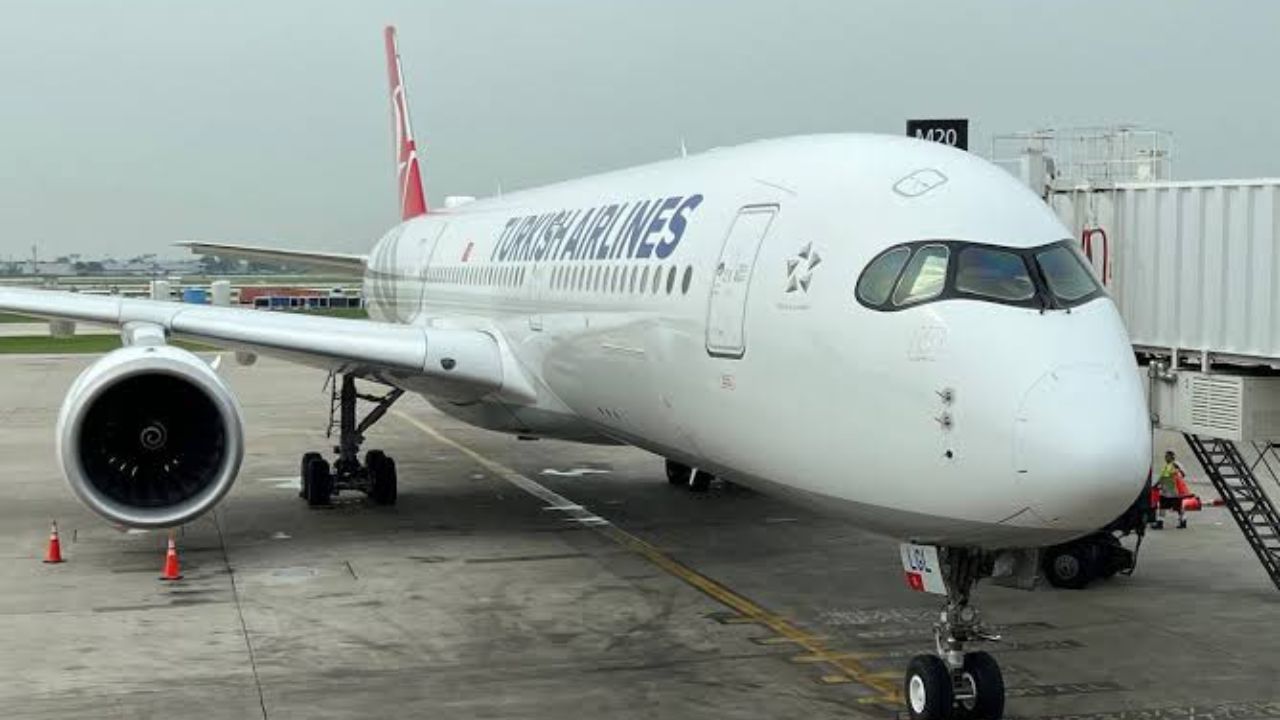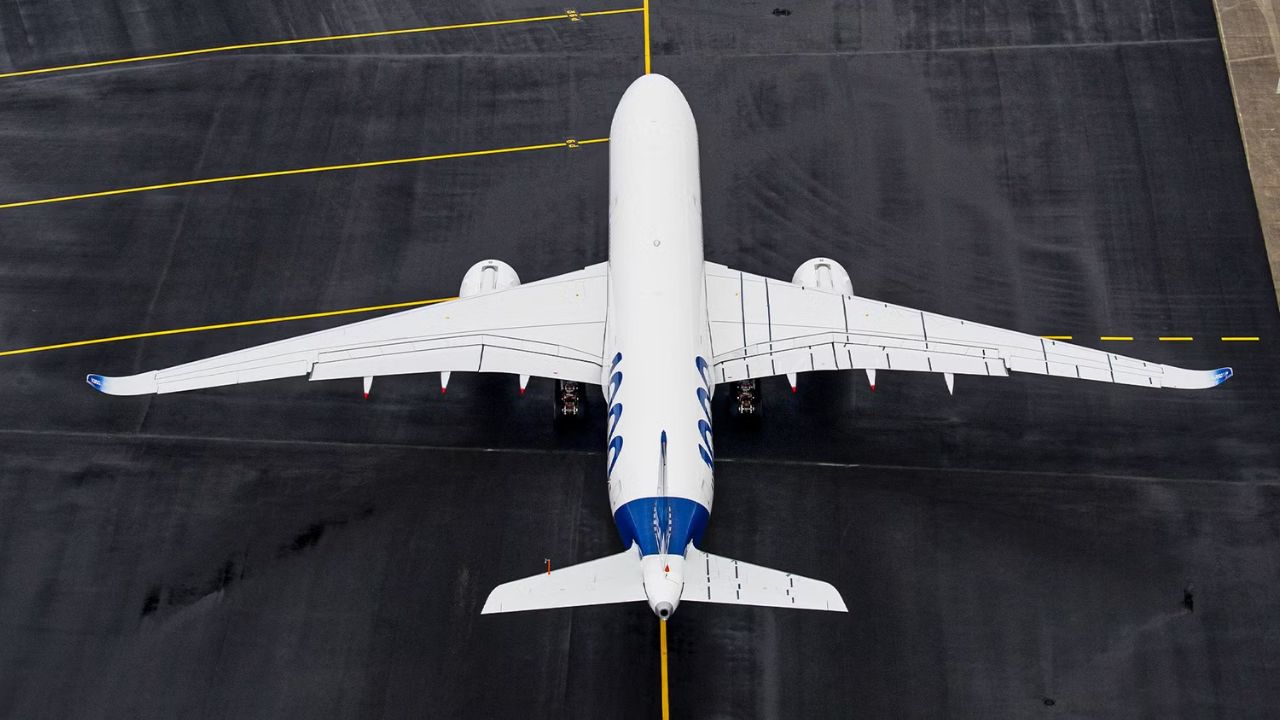
The Airbus A350 XWB stands as one of the most efficient widebody aircraft in commercial service today. A key contributor to its impressive performance is an advanced wing design that actively adjusts shape during flight. This technology draws inspiration from nature and delivers measurable gains in aerodynamic efficiency. By making subtle changes to the wing camber and flap settings the A350 can reduce fuel burn significantly compared to previous generation aircraft. Operators report savings that reach up to 25 percent on certain missions when benchmarked against older models like the A340.
This adaptive capability represents a major step forward in commercial aviation design. It allows the aircraft to optimize its performance throughout different phases of flight from takeoff and climb to cruise and descent. The result is lower operating costs for airlines reduced environmental impact and a smoother ride for passengers. Understanding how this system works reveals why the A350 has become a strong competitor in the widebody market.
The Variable Camber And Differential Flap Setting Systems
The A350 wing incorporates two closely integrated systems known as Variable Camber and Differential Flap Setting. These technologies work together to make small continuous adjustments to the wing shape while the aircraft is in cruise. Unlike traditional aircraft that fly with flaps fully retracted at altitude the A350 can vary the position of its inboard flaps by just a few degrees.
Variable Camber allows the wing to change its curvature slightly. This shifts the center of lift and reduces the overall angle of attack needed to maintain level flight. Differential Flap Setting complements this by moving the inboard and outboard flaps independently. The adjustments are asymmetric and precisely controlled by the aircraft flight control laws. These changes happen automatically and are barely noticeable to passengers yet they yield meaningful efficiency improvements.
The systems are most effective during the early stages of cruise when the aircraft is heavier and during long range flights where small gains compound over many hours. Airbus developed this technology specifically for the A350 to maximize the benefits of its large composite wing structure. The result is a wing that effectively morphs to meet changing flight conditions without the complexity of fully movable surfaces.
Drawing Inspiration From Bird Wings
Airbus engineers looked to nature when designing the A350 wing. Bird wings are highly adaptable changing shape to optimize lift and reduce drag during different phases of flight. The A350 replicates some of this flexibility through its composite construction which allows greater flex and controlled deformation than traditional aluminum wings.
The wingspan measures 212 feet five inches. It has been tested to flex up to 17 feet at the tips under extreme loads. In normal operations this flex contributes to better aerodynamic performance and passenger comfort by absorbing turbulence. The sharklet wingtip devices further reduce vortex formation at the tips minimizing induced drag.
A droop nose device on the inboard wing sections replaces traditional slats in certain areas. This design choice accommodates the close positioning of the Rolls-Royce Trent XWB engines which are mounted to minimize interference drag. The overall wing and fuselage integration creates a highly streamlined profile that reduces drag across the entire airframe.
Quantifying The Fuel Efficiency Gains
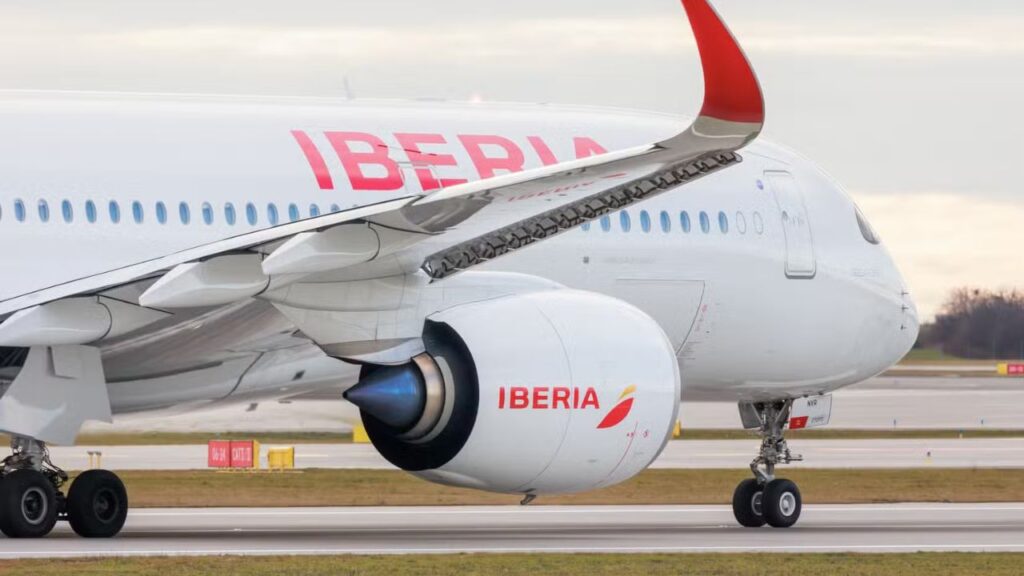
The adaptive wing technology contributes to the A350 impressive overall efficiency. When compared to the A340 which it effectively replaced the A350 burns roughly 25 percent less fuel while carrying more payload over longer distances. This saving comes from a combination of factors including the composite structure advanced engines and the wing optimization systems.
On a typical long haul flight the Variable Camber and Differential Flap Setting systems can reduce fuel consumption by several percent on their own. Over the course of a 12 or 14 hour flight these incremental improvements add up to substantial savings in fuel weight and cost. Airlines benefit from lower trip costs and the ability to carry more revenue generating payload.
The table below highlights key efficiency comparisons between the A350 and predecessor aircraft.
| Aircraft Model | Approximate Fuel Burn Reduction Versus A340 | Typical Passenger Capacity | Maximum Range |
|---|---|---|---|
| Airbus A350-900 | Up to 25 percent | 300 to 350 | 8,100 nautical miles |
| Airbus A350-1000 | Up to 25 percent | 350 to 410 | 8,700 nautical miles |
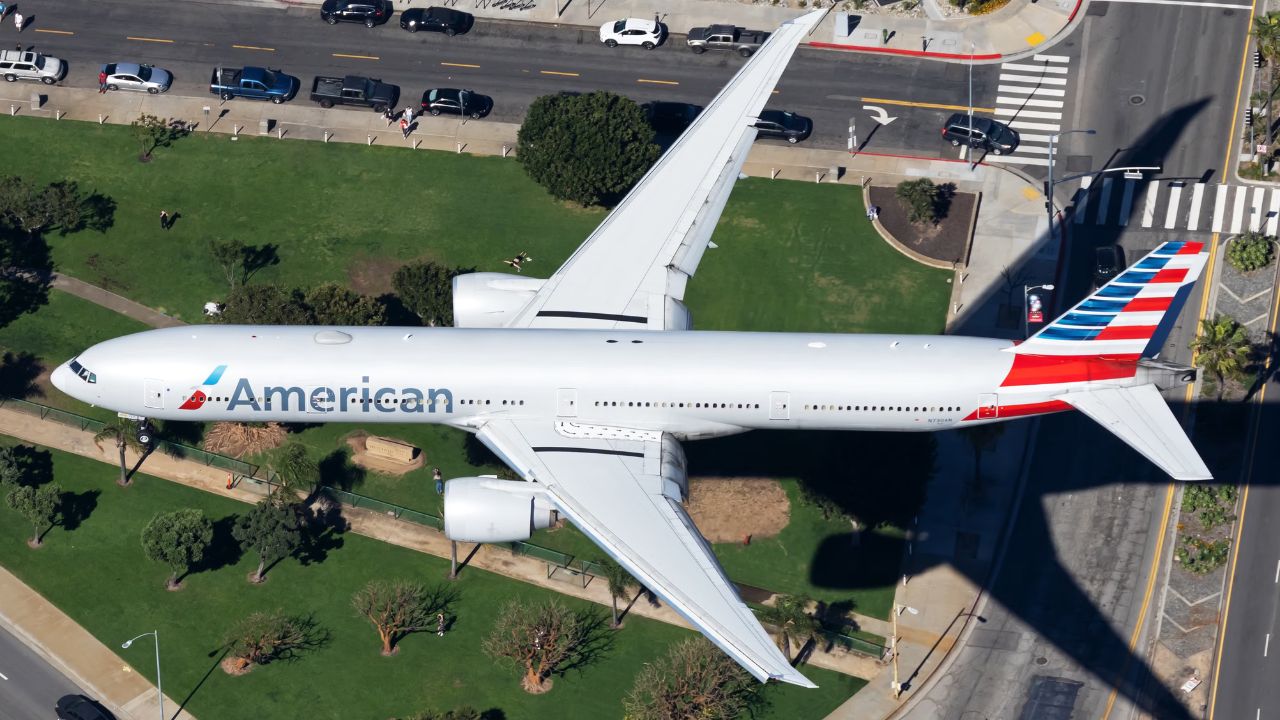
| Boeing 777-300ER | Comparable baseline | 350 to 400 | 7,370 nautical miles |
These figures demonstrate how the A350 wing technology helps it outperform older designs in both efficiency and capability.
Broader Design Innovations Supporting The Wing Performance
The adaptive wing does not work in isolation. The A350 incorporates numerous other advancements that enhance overall aerodynamic efficiency. The fuselage uses carbon fiber reinforced polymer for about 53 percent of its structural weight. This material choice reduces empty weight while allowing a wider and more comfortable cabin.
The Rolls-Royce Trent XWB engines provide another major efficiency boost. The XWB-84 variant powers the A350-900 while the more powerful XWB-97 equips the A350-1000. These engines feature high bypass ratios and advanced compressor designs that deliver excellent fuel economy at cruise speeds.
Additional features like the streamlined belly fairing optimized engine nacelles and curved flight deck windows contribute to drag reduction. Recent tweaks to wing twist and sharklet design on the A350-900 have yielded further small improvements. Airbus even removed redundant sensors after determining they were no longer necessary.
Real World Performance And Operator Feedback
Since entering service in 2015 the A350 has proven its efficiency claims in daily operations. Airlines report excellent fuel burn figures that often exceed original projections. The aircraft reliability and low maintenance requirements further enhance its economic advantages.
Operators appreciate the flexibility the adaptive wing provides. It allows the A350 to perform well across a wide range of routes and payload conditions. The A350-900ULR variant operates the world longest commercial route from Singapore to New York while maintaining strong efficiency. Upcoming ultra long range versions for Qantas will push these capabilities even further.
The combination of wing technology and other innovations makes the A350 particularly attractive for long haul operators seeking to control costs while offering superior passenger comfort.
Market Success And Competitive Position
The A350 program has achieved strong commercial success with nearly 1600 orders across variants. The A350-900 accounts for the majority of sales while the larger A350-1000 is gaining momentum as older Boeing 777-300ER aircraft age. The new A350F freighter has also attracted significant interest.
This success stems directly from the aircraft efficiency and capability. Airlines can fly longer routes with more payload while burning less fuel than previous generation widebodies. The adaptive wing plays a central role in delivering these advantages.
In the competitive widebody market the A350 stands out for its balanced design. It offers greater capacity and range than the Boeing 787 while maintaining competitive efficiency. Against the Boeing 777X it provides lower operating costs and strong performance on ultra long routes.
The Future Of Adaptive Wing Technology
The A350 wing systems represent an important milestone in commercial aviation. They demonstrate how active control surfaces and composite materials can work together to improve efficiency without compromising reliability or safety. Future aircraft designs will likely build upon these concepts with even more sophisticated adaptive structures.
Airbus continues to refine the A350 through incremental improvements. These enhancements ensure the aircraft remains competitive as newer designs emerge. The success of the program also influences how other manufacturers approach wing design and aerodynamic optimization.
For passengers the benefits appear in smoother flights lower ticket prices on competitive routes and reduced environmental impact. For airlines the technology translates into better economics and operational flexibility. The A350 adaptive wing stands as a prime example of how innovation in one area can deliver advantages across the entire aircraft.
As air travel demand grows and environmental pressures increase technologies like those on the A350 will become increasingly important. The ability to morph the wing in flight represents a clever solution to the eternal challenge of balancing lift drag and fuel consumption. It helps ensure that the A350 remains a benchmark for efficiency and performance well into the future.
This wing technology combined with other advanced features has helped make the A350 one of the most capable and economical widebody aircraft available today. Its success proves that thoughtful engineering inspired by nature can deliver real world benefits for airlines passengers and the environment alike.