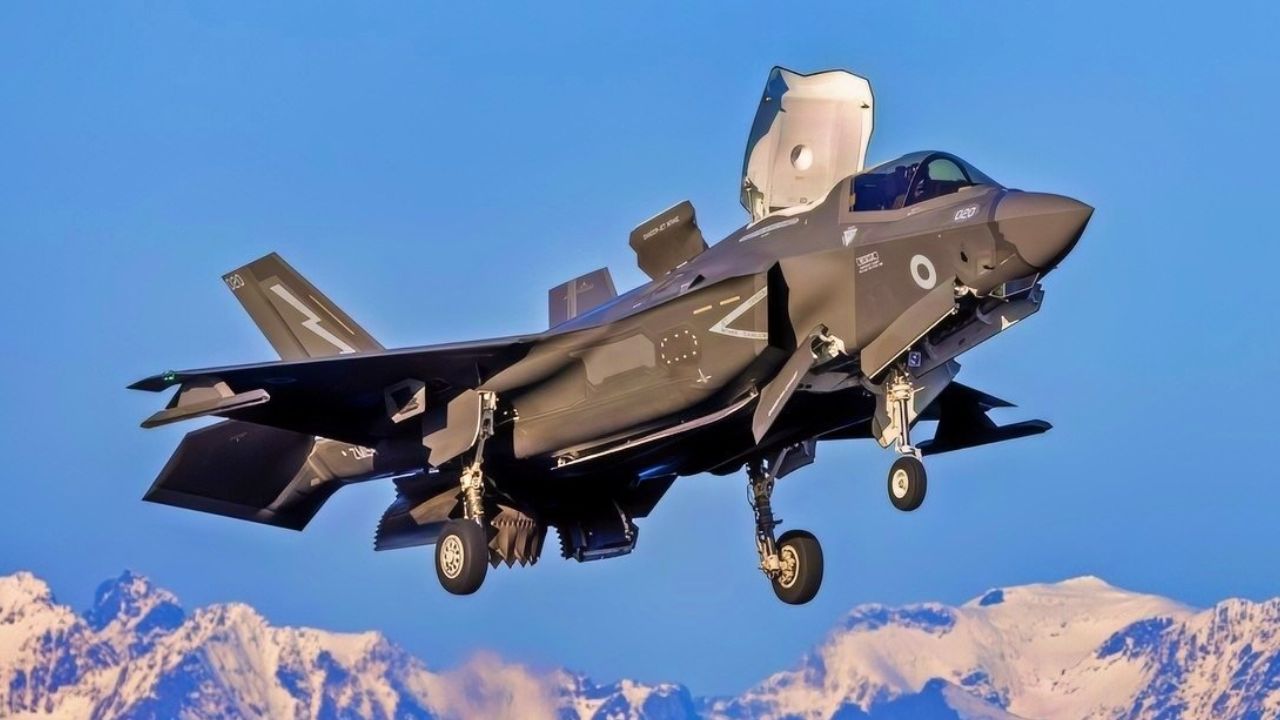
The Lockheed Martin F-35 Lightning II stands as one of the most capable fifth generation fighters in service today. With stealth design advanced sensor fusion and widespread international adoption it has set a high standard for modern combat aircraft. Yet rapid technological progress means that even cutting edge platforms like the F-35 will face competition from sixth generation designs expected to enter service in the 2030s. These new fighters emphasize artificial intelligence enhanced connectivity drone teaming and system of systems architectures that go far beyond the capabilities of current generation aircraft.
Nations around the world are investing heavily in next generation airpower to maintain strategic advantages in an era of great power competition. The following five programs represent the most significant efforts already underway. Each builds upon lessons from the F-35 while introducing revolutionary features that could render previous designs less dominant in future conflicts.
Chengdu J-36 From China
China is making bold strides with the J-36 a stealthy sixth generation concept that has conducted multiple flight tests since late 2024. Designed for deep penetration strikes the aircraft features a large internal weapons bay capable of carrying advanced munitions such as the KD-20 cruise missile and the PL-17 long range air to air missile.
The J-36 is expected to serve dual roles as both a strike platform and an airborne battle manager. It can process vast amounts of battlespace data and direct operations for manned and unmanned assets. A two seat configuration allows one crew member to focus on weapons and electronic warfare while the other pilots the aircraft. This setup enhances its ability to coordinate drone swarms and conduct complex missions in contested environments like the South China Sea.
With its emphasis on stealth and long range strike the J-36 aims to challenge American air superiority in the Indo Pacific region. Its development reflects China’s determination to close the technology gap and potentially leap ahead in key areas of air combat.
Future Combat Air System NGF From Europe
The Future Combat Air System program involving France Germany and Spain represents a comprehensive European effort to develop sixth generation capabilities. The New Generation Fighter serves as the manned core of a broader system of systems that integrates air space land and cyber assets through a Combat Cloud architecture.
This networked approach creates a shared operational picture where artificial intelligence processes information and supports decision making. The NGF will act as a command node directing loyal wingman drones while maintaining stealth and advanced sensor capabilities. The program carries an estimated life cycle cost of around 100 billion euros highlighting the scale of European commitment to independent airpower.
Initial operating capability is targeted for around 2040. The FCAS emphasizes collaboration across domains and nations aiming to reduce reliance on non European suppliers while delivering a highly capable platform for future coalition operations.
Global Combat Air Program From UK Italy And Japan
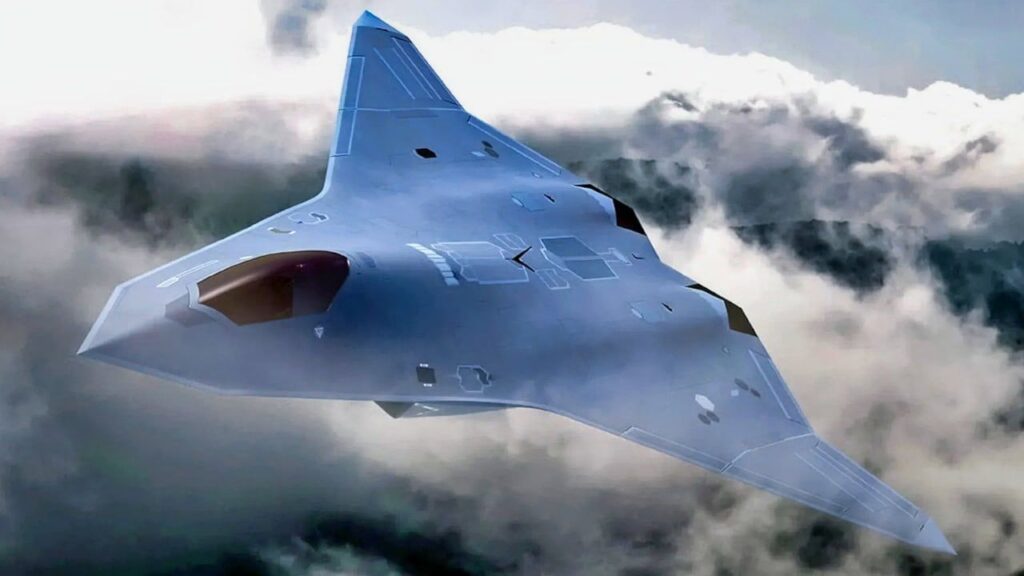
The Global Combat Air Program brings together the United Kingdom Italy and Japan to develop a sixth generation fighter by approximately 2035. The project known as Edgewing involves major defense contractors from each nation working toward a common design to replace aging fleets like the Eurofighter Typhoon and Japan’s F-2.
The GCAP fighter will feature advanced stealth electronic warfare capabilities and strong networking to serve as an airborne command node. It is designed to operate effectively in contested airspace directing drone teams and integrating with broader force structures. The program plans for production of 290 to 350 aircraft across the partner nations providing strategic autonomy and export flexibility.
A significant contract award in 2026 advanced design and engineering work demonstrating steady progress. This international partnership allows participating countries to share development costs while building sovereign capabilities in advanced combat aviation.
The table below compares basic public details of these three international programs.
| Program | Lead Nations | Targeted IOC | Key Features | Planned Production |
|---|---|---|---|---|
| J-36 | China | Late 2020s | Deep strike battle management drone teaming | Not publicly specified |
| FCAS NGF | France Germany Spain | Around 2040 | Combat Cloud AI command node | Not publicly specified |
| GCAP | UK Italy Japan | Around 2035 | Stealth networking export potential | 290 to 350 |
F/A-XX For The United States Navy
The United States Navy is developing the F/A-XX as a next generation strike fighter to replace the F/A-18 Super Hornet. Boeing and Northrop Grumman remain in competition for the program with a final decision expected soon. The aircraft will integrate into the Navy Next Generation Air Dominance family emphasizing long range strikes fleet defense and multi domain operations.
Advanced sensors and artificial intelligence will allow the F/A-XX to collect synthesize and distribute data across naval forces. It will work closely with unmanned systems extending sensor reach and conducting strikes from greater distances. Stealth features and improved range will enhance carrier survivability by keeping threats farther from the fleet.
The program received significant funding in recent budget requests underscoring its priority for future maritime operations particularly in potential Indo Pacific scenarios. The F/A-XX represents an important step in maintaining American naval air superiority against evolving threats.
Boeing F-47 Under The US Air Force NGAD Program
The United States Air Force Next Generation Air Dominance program includes the F-47 a sixth generation fighter under development with Boeing as the prime contractor. The aircraft is transitioning into engineering and manufacturing development with substantial funding allocated in upcoming budgets.
The F-47 will operate as part of a system of systems serving as a command node with advanced sensors and artificial intelligence. It is designed to direct drone swarms conduct deep strikes and maintain air dominance in highly contested environments. Forward deployment options include bases in Europe and the Indo Pacific to support global operations.
This program responds to rapid advances by competitors like China while building upon American strengths in stealth and networking. The F-47 aims to ensure the United States maintains a decisive edge in air combat through the 2030s and beyond.
The Broader Shift Toward System Of Systems Warfare
These programs share common themes that distinguish sixth generation fighters from the F-35. Artificial intelligence will play a larger role in processing information and supporting pilot decisions. Drone teaming or loyal wingman concepts will multiply combat effectiveness without increasing manned aircraft numbers. Enhanced connectivity through combat clouds will create shared awareness across forces.
The F-35 already incorporates advanced networking but future designs take this further by making each platform a more integral part of a larger architecture. This evolution reflects the growing complexity of modern battlefields where information dominance matters as much as kinetic firepower.
Development timelines vary with some aircraft targeting service entry in the late 2020s and others in the 2030s or 2040. Budget pressures technological challenges and international cooperation will influence final outcomes. Yet the momentum behind these programs indicates a clear global shift toward more capable and interconnected airpower.
What This Means For Future Air Combat
By the 2030s the F-35 will remain a highly relevant platform but it will operate alongside or against these more advanced designs. Nations investing in sixth generation fighters seek advantages in speed decision making and survivability. The integration of artificial intelligence and unmanned systems could fundamentally change how air battles unfold.
For operators of the F-35 the arrival of sixth generation aircraft will necessitate upgrades and new tactics. The transition period will feature mixed fleets where fifth and sixth generation platforms complement each other. International partners of the F-35 program will watch these developments closely as they plan their own future acquisitions.
The race for air superiority continues to drive innovation at an impressive pace. These five programs represent the forefront of that effort each bringing unique strengths shaped by national priorities and strategic needs. As they mature the skies of the 2030s promise to be far more dynamic and challenging than anything seen before.
The F-35 revolutionized fighter design and operations. The next generation aims to build upon that foundation and push capabilities even further. For defense analysts and aviation enthusiasts these programs offer a fascinating glimpse into the future of aerial warfare where technology connectivity and human judgment combine in powerful new ways.