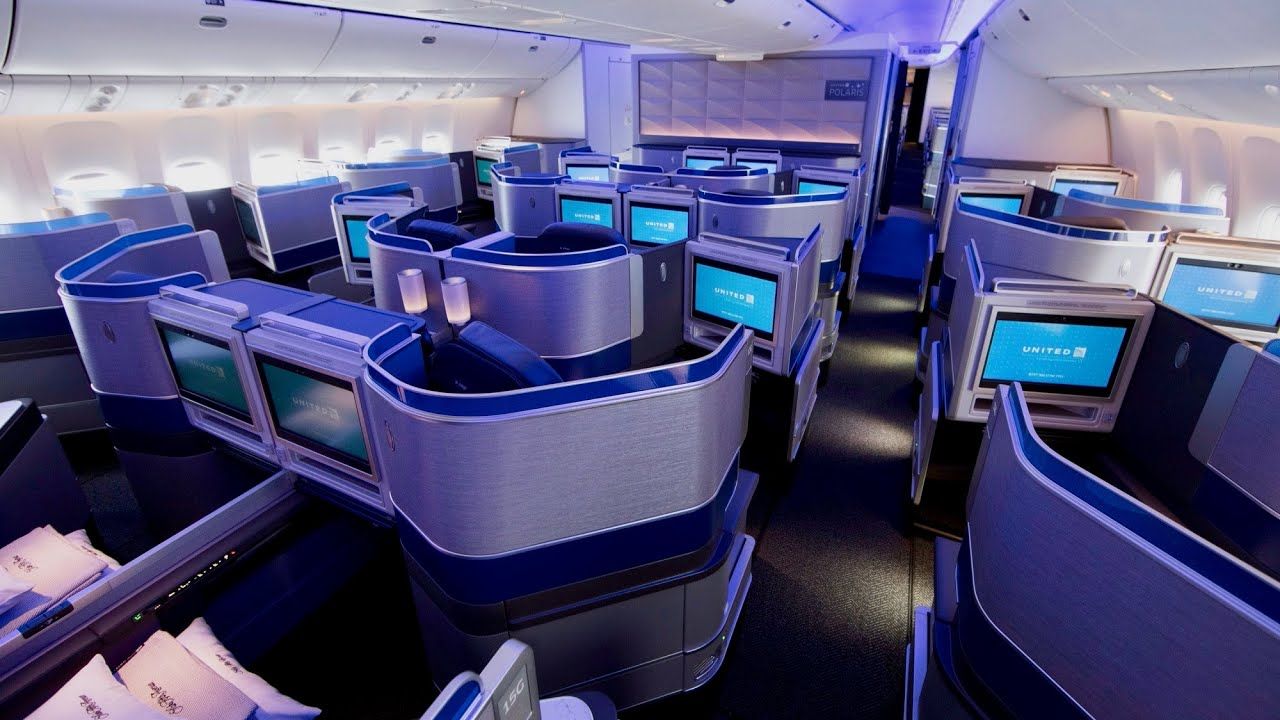
United Airlines has invested heavily in its Polaris business class product to compete on long haul routes. The cabin features lie flat seats Saks Fifth Avenue bedding premium amenity kits enhanced dining and access to exclusive lounges. While the airline promotes these elements as markers of premium travel it does not release official figures on the per passenger cost of these amenities. This lack of transparency is common across the industry where carriers focus on customer experience rather than detailed unit economics.
Estimating what United spends per Polaris passenger requires piecing together publicly available information on product suppliers secondary market pricing and industry benchmarks. No single verified number exists yet a reasonable picture emerges when separating reusable items from consumables. This analysis shows that while Polaris represents a significant investment the actual per passenger expense varies by route and is driven more by food and beverage than many visible comforts.
Why Exact Per Passenger Costs Remain Private
United Airlines like other major carriers does not break down Polaris amenity spending in financial reports or marketing materials. Announcements highlight partnerships with brands such as Saks Fifth Avenue Therabody Sunday Riley and Perricone MD but stop short of revealing procurement expenses. This approach protects competitive advantages and avoids scrutiny over margins.
Industry analysts and observers must rely on indirect indicators. These include resale values of amenity kits catering contract benchmarks and fare differentials for upgraded experiences. Such estimates provide useful context but should not be treated as precise accounting figures. They do however illustrate where United likely concentrates its spending and how it balances quality with cost control.
Reusable Bedding And Seat Features Drive Perceived Luxury
One of the most visible aspects of Polaris is the Saks Fifth Avenue bedding collection. Passengers receive a duvet a full size pillow and an additional cooling gel pillow. United is the only major US carrier offering two pillows in business class. Mattress pads and slippers are available on request with pajamas provided on longer flights.
These items create a hotel like environment but their per passenger cost is lower than retail value suggests. Bedding is collected laundered inspected and reused across multiple flights. The primary expenses are cleaning logistics and gradual replacement due to wear. A high quality duvet or pillow might retail for 50 to 150 dollars yet its cost is amortized over dozens or hundreds of uses. This makes bedding a capital investment rather than a high recurring expense per traveler.
The Polaris seat itself with its privacy door on newer Studio suites represents a significant upfront investment in cabin configuration. However this is a one time aircraft modification cost spread across thousands of passengers over the aircraft lifespan rather than a direct per flight amenity expense.
Amenity Kits Offer A More Direct Cost Indicator
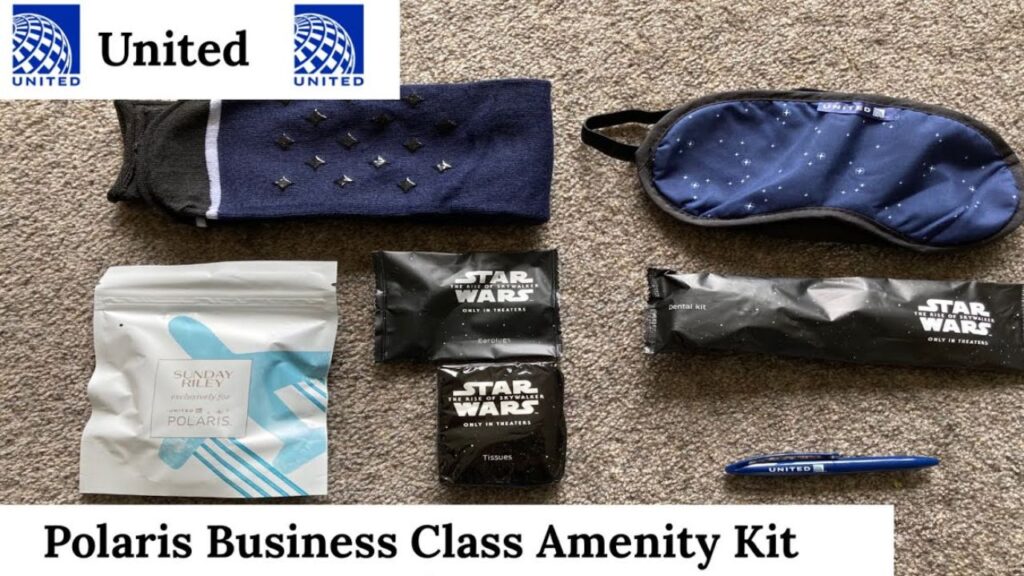
The Polaris amenity kit provides one of the clearer windows into consumable spending. The current version partners with Therabody and comes in a reusable cross body bag. Contents typically include earplugs an eye mask socks skincare products from premium brands facial wipes lip balm hand cream and other travel essentials.
Sealed kits appear on secondary markets for around 12 to 14 dollars. While this resale price does not equal United procurement cost it establishes an upper reference point. Bulk airline purchasing likely secures the kits at a lower rate possibly in the single digit dollar range per unit after accounting for branding and packaging. Even with premium skincare items the kit remains one of the more modest expenses per passenger.
United has tested distributing kits on trays rather than pre placing them at every seat. This approach measures actual uptake and reduces waste on flights where passengers decline the item. Such initiatives highlight the airline focus on controlling costs without compromising the overall experience.
The table below summarizes estimated per passenger costs for key visible amenities based on industry benchmarks and resale data.
| Amenity Category | Type | Estimated Per Passenger Cost | Notes |
|---|---|---|---|
| Saks Bedding | Reusable | Low (amortized) | Laundering and replacement spread over uses |
| Amenity Kit | Consumable | 8 to 15 dollars | Bulk purchase skincare and packaging |
| Slippers And Pajamas | Mostly consumable | 3 to 8 dollars | Provided on select long flights |
| Lounge Access | Service | 150 to 300 dollars value | Fare differential indicator |
These figures are approximations drawn from public data and should be viewed as directional rather than exact.
Food And Beverage Likely Represent The Largest Variable Expense
Catering stands out as the most significant and variable component of Polaris spending. Menus change by route season and specific product tier. Standard Polaris service includes multi course meals premium wines Champagne and snacks. Newer Polaris Studio offerings add touches like Ossetra caviar paired with Laurent Perrier Champagne.
Luxury items such as caviar and high end Champagne carry substantially higher costs than standard business class dining. Pre departure and post meal services further increase expenses. Catering costs fluctuate based on passenger load flight duration and sourcing but they often account for a large share of per passenger amenity budgets on long haul sectors.
Unlike bedding catering represents a true consumable expense incurred for every traveler. This makes it a key area where United balances quality with efficiency through supplier contracts and menu planning.
How Fare Structures Reveal Amenity Value
United provides indirect clues about amenity economics through its pricing. Base Polaris fares exclude lounge access creating a clear value gap. Industry estimates place the implied worth of Polaris lounge access at 150 to 300 dollars per passenger based on fare differentials. Lounges offer restaurant style dining showers and rest areas representing a meaningful upgrade.
On select routes the Polaris Studio suite commands a premium of around 499 dollars over standard Polaris. This surcharge covers enhanced privacy additional amenities and exclusivity. While these amounts reflect revenue potential rather than costs they indicate how United values incremental improvements in the passenger experience.
United Ongoing Efforts To Optimize Spending
The airline actively evaluates amenity usage and distribution. Experiments with tray service for kits demonstrate a data driven approach to reducing unnecessary expenses. Such measures help control costs as Polaris expands across more aircraft and routes.
United continues refining the product with new partnerships and upgrades while monitoring return on investment. This balance between investment in quality and operational efficiency supports long term competitiveness in the premium cabin market.
The Overall Picture Of Polaris Amenity Investment
United Polaris represents a comprehensive premium offering where spending concentrates on elements that enhance comfort and differentiation. Reusable items like bedding deliver high perceived value at relatively low per passenger cost after amortization. Consumables such as amenity kits and especially catering drive more immediate expenses with food and beverage likely forming the largest share.
Exact figures remain private but available indicators suggest United invests thoughtfully rather than extravagantly per traveler. The focus on quality partnerships and continuous optimization allows the airline to deliver a strong business class product while managing costs effectively.
For passengers this translates to a competitive experience that justifies premium fares through tangible comforts and service. As United expands Polaris to more fleets and routes understanding these economics highlights the airline commitment to long haul leadership without unsustainable spending.
Travelers considering Polaris can feel confident that the amenities reflect deliberate choices designed to maximize satisfaction. While the precise per passenger cost stays behind the scenes the combination of reusable luxuries thoughtful consumables and excellent catering creates one of the stronger US based business class products available today. United ongoing refinements suggest the investment will continue evolving to meet passenger expectations in a competitive market.